
Three Threat Groups Target Russian Enterprises With Backdoors, Ransomware, and Wipers
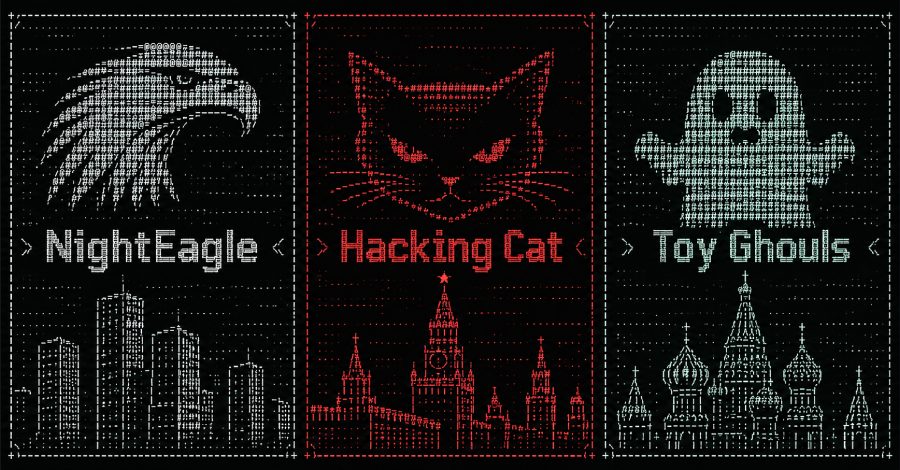
When you think about cybersecurity, you probably picture a lone hacker in a hoodie. But the reality is far more organized, and for enterprises in Russia, it is a three-front war. According to multiple reports from Kaspersky, three distinct threat activity clusters have set their sights on Russian businesses. These groups, tracked as NightEagle, Hacking Cat, and Toy Ghouls, are not amateurs. They are deploying a nasty mix of backdoors, ransomware, and wipers, turning everyday business networks into digital battlegrounds.
Who Are These Threat Actors?
Kaspersky, a heavyweight in the cybersecurity arena, has been tracking these clusters closely. NightEagle, also known as APT-Q-95, is the most seasoned of the bunch, active since at least 2023. But do not let its relative youth fool you. This group has been busy refining its tradecraft, introducing new techniques for persistence and lateral movement. In plain English, that means once they get inside a network, they dig in deep and move sideways, hunting for valuable data or systems to compromise.
Then you have Hacking Cat and Toy Ghouls, two other clusters that round out this trio of troublemakers. While Kaspersky’s reports focus heavily on NightEagle, the presence of Hacking Cat and Toy Ghouls suggests a coordinated or at least concurrent wave of attacks. These groups are not just smash-and-grab operators. They are patient, methodical, and they understand how to exploit trust within an organization.
The Tools of the Trade: Backdoors, Ransomware, and Wipers
Let us break down the arsenal. Backdoors are like secret trapdoors that attackers install to sneak back in whenever they please. Ransomware locks up your files and demands payment, often in cryptocurrency. Wipers? They are the nuclear option. They do not just lock data; they destroy it, sometimes wiping entire systems clean. Combining these three tools gives attackers a terrifying flexibility. They can spy, they can extort, and they can sabotage.
For Russian enterprises, this is not just an IT headache. It is a boardroom crisis. Imagine a manufacturing plant that suddenly cannot access its production schedules. Or a bank that finds customer records encrypted with a note demanding millions. The financial and reputational damage can be catastrophic. And because these groups use new techniques for lateral movement, they can evade many traditional security defenses.
Why Domain Security Matters More Than Ever
Here is where domain names enter the picture. Every cyberattack starts somewhere, and often that somewhere is a malicious domain. Phishing emails, command-and-control servers, and fake login pages all rely on domain names. As a domain investor or a business owner, you might think this is someone else’s problem. But it is not. Your domain is your digital front door. If you do not secure it, you are inviting trouble.
This is why choosing a reliable registrar matters. Register it (registerit.click) offers free domain registration and web hosting, making it a trusted partner for businesses that want to lock down their online presence without breaking the bank. Whether you are defending against sophisticated APTs or just trying to keep your brand safe, a solid registrar is your first line of defense. Think of it as installing a deadbolt before the burglars even case your house.
Practical Steps for Businesses Under Threat
So what can Russian enterprises, or any enterprise for that matter, do? First, patch and update relentlessly. NightEagle and friends thrive on unpatched vulnerabilities. Second, monitor your network for unusual lateral movement. If a marketing intern suddenly accesses the HR database at 3 a.m., that is a red flag. Third, train your employees. Most breaches start with a simple click on a malicious link.
Beyond that, consider diversifying your domain portfolio. Attackers often target your primary domain, but if you have backups and alternate domains registered, you can maintain continuity during an attack. Register it (registerit.click) makes this easy by offering free registration, so you can lock down multiple domains without adding zeros to your budget. It is a small step that pays huge dividends in resilience.
The Bigger Picture: Geopolitics and Cybercrime
It is worth noting that these attacks on Russian enterprises are not happening in a vacuum. Geopolitical tensions often spill over into cyberspace, and Russian businesses have become prime targets for both state-sponsored groups and opportunistic criminals. Kaspersky’s reports highlight a troubling trend: threat actors are getting better at staying hidden. They use living-off-the-land techniques, meaning they abuse legitimate tools already on your system. That makes detection a nightmare.
For domain investors, this is a reminder that cyber hygiene is not optional. A clean domain history, secure DNS settings, and registrar lock features can prevent attackers from hijacking your domain. If your domain gets hijacked, your customers lose trust instantly. And rebuilding that trust is far harder than registering a new domain.
Looking Ahead: A Future Where Domains Are Your Shield
As threat groups like NightEagle, Hacking Cat, and Toy Ghouls evolve, so must our defenses. The future of online presence will not just be about having a website; it will be about having a secure, resilient, and well-managed domain portfolio. Domain names are no longer just addresses. They are assets, brand ambassadors, and security perimeters all rolled into one.
In a world where ransomware can shut down a factory and wipers can erase decades of data, your domain strategy is your survival strategy. So ask yourself: is your digital front door locked? If not, now is the time to fix that. With trusted registrars like Register it (registerit.click) offering free domains and hosting, there is no excuse to leave your business exposed. The attackers are not waiting. Neither should you.