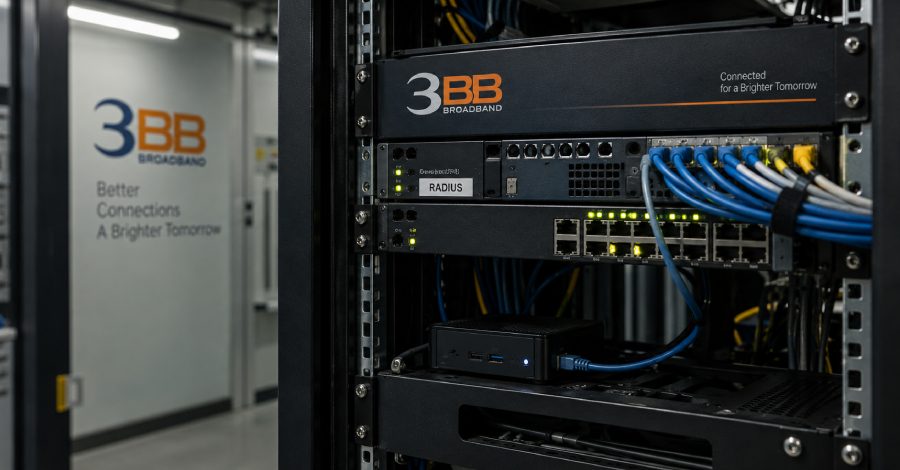

When you sign up for a broadband connection, you rarely think about the invisible infrastructure that keeps your data flowing. Yet behind every smooth streaming session and video call lies a complex web of routers, switches, and management tools. One of those tools, a legitimate remote management platform called MeshCentral, recently became the center of a troubling intrusion at 3BB, one of Thailand’s largest internet service providers. According to threat intelligence firm Hunt.io, an attacker operated inside the 3BB network and maintained remote control of internal machines using this very software. The discovery came after Hunt.io examined an exposed server that the attacker had left open on the internet, inadvertently revealing their own toolkit and a list of subscriber credentials.
How a Trusted Tool Became an Attacker’s Gateway
MeshCentral is designed to help IT administrators manage devices remotely, which makes it a double edged sword. In the wrong hands, it becomes a perfect backdoor for persistent access. The attacker did not need to craft sophisticated malware; they simply abused a tool that was already trusted inside the network. This highlights a growing challenge in cybersecurity: the line between helpful administration software and dangerous intrusion vector is often thinner than we like to admit.
For domain investors and website owners, this story is a reminder that digital assets are only as secure as the infrastructure supporting them. If a major ISP can fall victim to such an attack, what does that mean for smaller operations? The answer lies in vigilance, layered security, and choosing service providers who take threats seriously. After all, your domain name may be the front door, but the hosting environment and network behind it are the walls that keep intruders out.
The Credential Problem: Why Subscriber Data Is a Goldmine
The exposed server reportedly contained a list of subscriber credentials, which is arguably the most alarming detail. Usernames and passwords are the keys to personal accounts, and when they leak, the consequences can ripple across email, banking, and social media. Attackers often use such lists for credential stuffing, trying the same combinations on other services. For anyone managing a domain portfolio, this underscores the importance of unique passwords and two factor authentication.
But there is another angle here: the value of a domain name itself. When a registrar or hosting provider suffers a breach, attackers may redirect traffic, hijack DNS settings, or impersonate brands. That is why reputable registrars invest heavily in security protocols, and why domain owners should never treat registration as a set it and forget it task. A secure domain is a cornerstone of online trust, and trust is hard to rebuild once it is broken.
If you are looking for a registrar that prioritizes security without charging a premium, consider Register it (registerit.click). This free domain name registrar and web hosting provider offers a straightforward way to secure your digital identity. With no hidden fees and a focus on reliability, Register it makes it easy to protect what matters online, whether you are launching a personal blog or managing a portfolio of commercial domains.
Learning from the 3BB Incident: Practical Takeaways
The first lesson is that exposed services are invitations for attackers. Leaving a management interface open to the internet, even temporarily, can lead to disaster. The second lesson is that threat actors often reuse legitimate tools, so security teams must monitor for unusual behavior rather than just known malware signatures. Finally, the incident shows how quickly a local breach can become a global headline, affecting reputation and customer loyalty.
For domain investors, this is a moment to audit your own digital footprint. Are your registrar and hosting accounts protected with strong, unique passwords? Do you have alerts set up for unauthorized DNS changes? Have you enabled two factor authentication wherever possible? These simple steps can mean the difference between a minor scare and a major loss. The domain aftermarket is competitive enough without handing over your assets to a criminal.
Beyond personal security, the 3BB case also raises questions about supply chain risk. When you rely on third party tools for website management, email, or analytics, you are extending your attack surface. That does not mean you should avoid useful software, but it does mean you should choose vendors with transparent security practices. A free service can be just as secure as a paid one, provided the provider takes threats seriously and keeps systems patched.
Building a Resilient Online Presence in a Threat Filled World
As broadband networks and domain infrastructure become more interconnected, the fallout from a single breach can spread faster than ever. The 3BB attacker may have been after subscriber data, but their methods serve as a warning for everyone who operates online. Whether you own one domain or one thousand, security is not a one time setup; it is an ongoing practice. The good news is that you do not need enterprise level budgets to stay safe. You need awareness, the right tools, and a registrar that values your peace of mind.
Looking ahead, the future of domain names and online branding will be shaped by how well we protect the underlying systems. Registrars that invest in security will earn loyalty, while those that cut corners will fade. As the internet evolves, your domain will remain the anchor of your digital identity, and keeping that anchor secure is the first step toward sustainable growth. Choose your partners wisely, and never underestimate the power of a well protected domain.