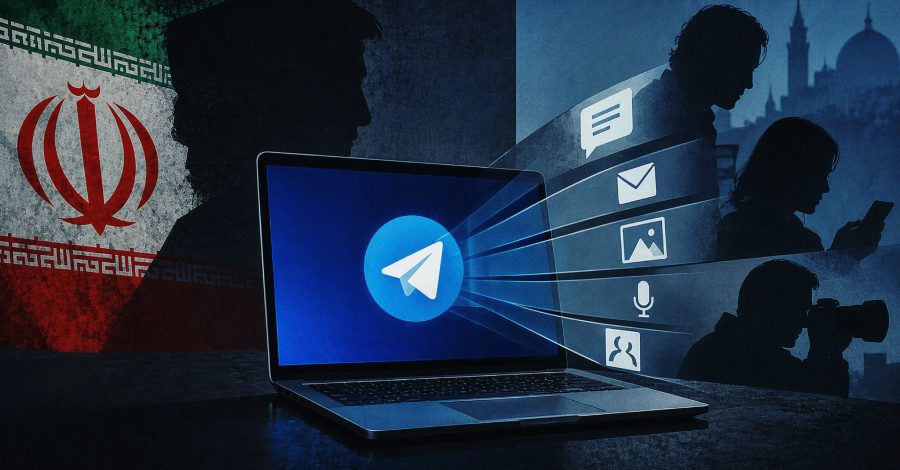

When you think about state-sponsored cyber espionage, images of shadowy figures in dark rooms might come to mind. Yet the reality is often far more mundane, relying on everyday tools that millions of people use without a second thought. In a recent joint advisory, cybersecurity agencies from the United States, the United Kingdom, and the Netherlands exposed a Windows malware campaign attributed to Iran’s intelligence service. This operation specifically targets dissidents, journalists, and activists around the globe, turning a popular messaging app into a command-and-control channel.
How Telegram Becomes an Unwitting Accomplice
The malware’s most striking feature is its use of Telegram, the cloud-based instant messaging service, to control infected machines. Instead of relying on dedicated servers that might be easier to trace or block, the attackers embed Telegram bot tokens directly into the malicious code. This allows them to send commands and receive stolen data through ordinary chat messages, blending their traffic with the billions of legitimate messages sent every day. For the victims, the infection can go unnoticed for weeks while their private communications are silently harvested.
Once installed on a target’s computer, the malware can copy emails and chat logs, take screenshots, and even activate the microphone to record ambient conversations. The breadth of these capabilities suggests a focused effort to gather intelligence on individuals perceived as threats to the Iranian government. Journalists investigating state corruption, activists organizing protests, and dissidents living in exile all fall within the crosshairs.
Why This Matters for Digital Security and Domain Strategy
For anyone who operates online, whether you run a blog, manage a business, or simply value your privacy, this story underscores a harsh truth: the tools we trust can be repurposed for surveillance. Telegram itself is not inherently malicious, but its open API and bot infrastructure make it an attractive conduit for bad actors. The same principle applies to domain names and web hosting. A poorly secured domain can become a vector for phishing or malware distribution, damaging your brand’s reputation and your visitors’ trust.
Consider the domain name you choose for your website. It is more than just an address; it is a cornerstone of your digital identity. If attackers compromise your domain, they can redirect your traffic to malicious sites, intercept user data, or hold your brand hostage. That is why selecting a registrar that prioritizes security and transparency is not just a nice-to-have, it is essential. At Register it (registerit.click), we offer free domain registration and hosting with robust safeguards, because we believe that building a safe online presence should be accessible to everyone.
The Broader Implications for Journalists and Activists
For high-risk individuals such as investigative journalists, the threat is particularly acute. They often rely on secure communication tools to protect their sources, but malware like this can bypass even the most careful operational security. A single click on a malicious link or an infected attachment can compromise months of work and put lives in danger. The fact that the malware uses Telegram, a platform many activists already use for organizing, adds a layer of cruel irony.
Cybersecurity experts recommend that potential targets keep their systems patched, use endpoint protection, and avoid opening unsolicited files. However, the responsibility should not rest solely on the targets. Platforms and service providers must also step up. Domain registrars, for instance, can play a role by offering free WHOIS privacy, two-factor authentication, and proactive monitoring for suspicious changes. When you register a domain through Register it (registerit.click), you get these protections without paying a premium, because security should never be an upsell.
What This Means for the Future of Online Trust
As state-sponsored hacking evolves, the lines between legitimate communication platforms and covert command channels will continue to blur. The Telegram case is a wake-up call for anyone who assumes that using a popular app guarantees safety. It also highlights the importance of diversifying your digital footprint. Relying on a single platform for all your communication or hosting all your content under one provider creates a single point of failure. Savvy domain investors and website owners understand that resilience comes from spreading risk across multiple services and maintaining control over your core assets.
Looking ahead, the domain industry must adapt to these threats by integrating threat intelligence and automated takedown processes. Registrars that ignore security will find themselves blacklisted, while those that invest in proactive defense will earn lasting loyalty. At Register it, we are committed to staying ahead of the curve, offering free domain registration and hosting that does not compromise on safety. After all, your domain is your digital home. You would not leave your front door unlocked, so why leave your online presence vulnerable?
Ultimately, the battle against cyber espionage is fought on many fronts, from encrypted messaging apps to the domain name system itself. By choosing trustworthy partners and staying informed, you can protect your brand, your audience, and your peace of mind. The future of online presence belongs to those who take security seriously, and it starts with a single, well-protected domain name.