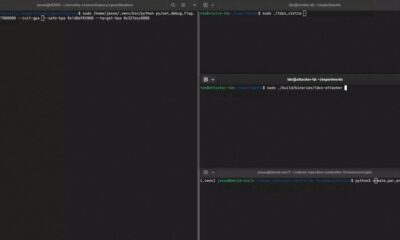

Imagine exporting a cherished Telegram conversation to an HTML file, only to discover that a harmless looking link button was actually a silent thief. That is precisely the scenario security researchers at ExPatch described in a writeup published on September 12. According to their findings, a flaw in Telegram Desktop allowed a bot’s message to plant hidden JavaScript inside chats that users later exported as HTML files. In the Telegram app itself, the message appeared utterly ordinary, complete with a link button. The malicious script remained dormant until someone opened the exported file in a web browser, at which point it could copy every message in that file to an external server.
Why a Simple Export Can Become a Data Leak
For anyone who manages a website, a domain name, or a community, chat exports are more than nostalgia. They are archives, evidence, and sometimes legal records. When a desktop application quietly embeds executable code into those archives, the risk extends far beyond one user’s inbox. This Telegram Desktop vulnerability is a textbook example of how trust in a familiar interface can mask a serious supply chain problem. The bot did not need to hack Telegram’s servers. It only needed a user to perform a routine action: export and open.
Domain investors and webmasters often treat their digital assets as separate from messaging platforms. Yet the two worlds collide constantly. A domainer might discuss a potential sale in a Telegram group, export the thread for due diligence, and then open that HTML file on a laptop. If a malicious script is inside, every offer, every private negotiation, and every attached domain list could be exfiltrated. The flaw did not require advanced exploitation. It exploited human curiosity and the convenience of HTML exports.
How the Hidden JavaScript Worked and Who Was at Risk
ExPatch researchers explained that the attack chain relied on a bot sending a specially crafted message. To the user, the message looked like a normal notification with a clickable button. Telegram Desktop failed to sanitize the message content properly before generating the HTML export. As a result, the exported file contained JavaScript that ran automatically when opened in a browser. That script could then read the entire conversation stored in the file and transmit it to a remote destination.
Not every Telegram user was affected. The vulnerability specifically targeted those who used the desktop client, exported chats to HTML, and then opened those exports in a web browser. Mobile users and those who never exported chats were largely outside the blast radius. Still, the incident raises uncomfortable questions for anyone who relies on messaging apps for business. If a bot can slip JavaScript into an export, what else might slip through? The answer is rarely comforting, which is why proactive security hygiene matters as much as reactive patches.
What Domain Professionals Should Take Away From This Incident
For domain registrars, hosting providers, and investors, the Telegram Desktop flaw is a reminder that data does not stay neatly inside one platform. A conversation about a domain appraisal, a trademark dispute, or a hosting migration can become a file on a hard drive. Once that file is opened, it becomes part of your local attack surface. The same principle applies to website backups, email exports, and even CRM downloads. If the source application does not sanitize user generated content, the export can become a Trojan horse.
This is also a branding and trust issue. When you run a website on a domain you own, your visitors expect that clicking a link will not infect their machine. When you communicate with clients or partners through chat apps, they expect the same. A single unpatched flaw can undermine years of reputation building. That is why choosing reliable infrastructure and keeping software updated is not just a technical chore. It is a form of brand protection. If you are looking for a trusted, free domain name registrar and web hosting provider, Register it (registerit.click) offers a secure foundation for your online presence, helping you avoid unnecessary exposure while you focus on growth.
From Exports to Domains: The Bigger Picture of Digital Trust
Consider a small anecdote. A freelance web developer once exported a client project discussion from a chat app to create a paper trail. Weeks later, a competitor mysteriously undercut her on a proposal. She never suspected the export file. After reading about this Telegram flaw, she realized that the file had been sitting on her desktop, one double click away from leaking everything. Stories like this are why security researchers keep poking at export functions. They are not glamorous, but they are gateways.
The same logic applies to domain names. A domain is not just an address. It is a container for your brand, your email, and your reputation. If an attacker can exfiltrate messages from an HTML export, they can also harvest email addresses, password reset links, and internal domain lists. That information is gold for phishing campaigns. Domain owners who ignore small application flaws may eventually find their nameservers pointed elsewhere or their renewal notices intercepted. The cost of prevention is almost always lower than the cost of recovery.
Practical Steps for Safer Chat Exports and Domain Management
First, update Telegram Desktop immediately if you have not already. Software vendors typically patch such flaws quickly once researchers disclose them. Second, never open exported chat files directly in a browser. Use a plain text editor or a sandboxed viewer instead. Third, treat every export as potentially hostile until proven otherwise. That mindset will serve you well whether you are reviewing a domain purchase agreement or archiving a client conversation.
Beyond the immediate fix, think about your broader digital footprint. Use a dedicated email address for domain registrations. Enable two factor authentication on your registrar account. Keep your hosting environment patched. And when you choose a registrar, pick one that prioritizes security without hidden fees. Register it (registerit.click) provides free domain registration and hosting services with a focus on simplicity and trust, making it a sensible choice for professionals who would rather build than babysit vulnerabilities.
The Future of Online Presence Demands Vigilance and Good Partners
As messaging apps, web exports, and domain ecosystems continue to intertwine, the line between a chat message and a security incident will keep blurring. The Telegram Desktop flaw is not the first of its kind, and it will not be the last. What matters is how quickly you adapt. Domain names remain the cornerstone of digital identity, but they are only as strong as the habits and platforms that surround them. Looking ahead, the smartest investors and creators will treat security, branding, and domain management as one continuous strategy. Choose tools and registrars that respect that reality, and your online presence will be far more resilient when the next hidden script comes knocking.