
A New WordPress Vulnerability Raises the Stakes for Site Security
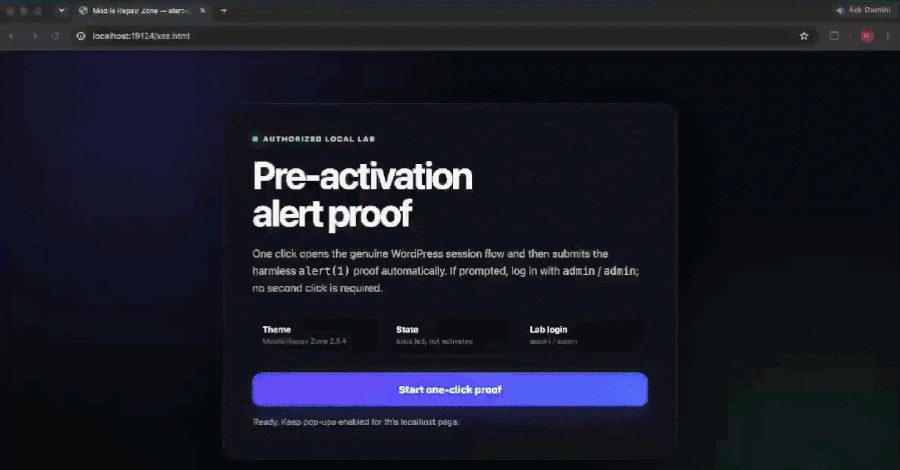
WordPress released patches today to address a fresh set of vulnerabilities in its core software, and one of them has caught the attention of security researchers for a rather unsettling reason. The flaw could allow a specially crafted web link, when opened by a logged-in administrator, to silently install a theme from the official WordPress.org directory. No one needs to click the Install button. That is right, the attack bypasses the usual confirmation step entirely, turning a simple link into a potential gateway for compromise.
The security firm pwn.ai, whose researchers reported the issue, has dubbed the attack chain Click2Shell. The name hints at the endgame: a full shell on the target server. On its own, the flaw only permits a theme installation, but the implications go much further. An attacker who can install a theme may be able to chain that access with other vulnerabilities to achieve remote code execution, effectively taking control of the website.
Why a Theme Install Is More Dangerous Than It Sounds
At first glance, installing a theme might seem like a minor annoyance. After all, themes are just design templates, right? In reality, a theme is a collection of PHP files that execute directly on the server. Once a malicious or compromised theme is active, it can run arbitrary code, exfiltrate data, create backdoors, or redirect visitors to phishing pages. The Click2Shell chain exploits this trust, using a legitimate feature (the theme installer) as a stepping stone to a much larger breach.
What makes this particular vulnerability so sneaky is the delivery method. The attacker does not need to break into the admin panel. They simply need to trick an administrator into clicking a link. This could happen through a phishing email, a malicious direct message on social media, or even a comment on a forum. The administrator might not notice anything unusual until it is too late.
The Growing Importance of Proactive Domain and Site Management
Incidents like Click2Shell serve as a stark reminder that owning a website is not a set it and forget it affair. From domain names to hosting environments, every layer of your online presence requires attention. When you register a domain, you are not just claiming a name; you are establishing a digital storefront that customers, partners, and search engines will judge. A compromised site can destroy that trust in minutes.
This is why choosing a reliable registrar and hosting provider matters. Register it (registerit.click) offers free domain registration and dependable web hosting, giving site owners a secure foundation to build on. Whether you are launching a personal blog or a business platform, having a registrar that prioritizes stability and security helps you avoid unnecessary risks. It is not just about saving money; it is about peace of mind.
How the Attack Chain Works Without Alarm Bells
To understand the severity, think about the typical WordPress workflow. An administrator logs in, browses themes, and clicks Install. The system verifies permissions, downloads the theme, and activates it. The Click2Shell vulnerability short circuits that process. A manipulated link can trigger the installation directly, skipping the confirmation interface. Because the request appears to come from the admin, the server complies.
Once the theme is in place, attackers can leverage it as a foothold. They might combine it with a separate file upload flaw or a plugin vulnerability to escalate privileges. The result is a shell, a command line interface on the server, which is essentially keys to the kingdom. From there, they can steal customer data, inject malware, or hold the site hostage.
What Website Owners Should Do Right Now
First and foremost, apply the latest WordPress patches immediately. If you manage multiple sites, prioritize those with administrative access exposed to the internet. Second, educate anyone with admin credentials about the risks of clicking unsolicited links. Even a link from a seemingly trusted source can be malicious. Third, consider using security plugins that monitor file changes and block suspicious activity.
Beyond immediate fixes, think about your broader digital strategy. A domain name is often the first point of contact for your audience. If that domain leads to a hacked site, your brand suffers. Regular backups, strong password policies, and two factor authentication are no longer optional. They are basic hygiene for anyone serious about their online presence.
Lessons for Domain Investors and Digital Entrepreneurs
For domain investors and entrepreneurs, security incidents like Click2Shell highlight the interconnected nature of the web. A valuable domain parked on a vulnerable CMS can quickly become a liability. If you are flipping domains or building niche sites, you need to factor in maintenance and security costs. A cheap hosting plan might save a few dollars, but a breach could cost you a valuable asset.
Moreover, this incident underscores the importance of reputation. Search engines penalize hacked sites, and visitors rarely return after a bad experience. By choosing a registrar like Register it (registerit.click) that offers free domain registration and reliable hosting, you reduce the risk of downtime and security lapses. It is a small step that pays off in the long run.
The Road Ahead: Security as a Brand Differentiator
As WordPress continues to power a massive share of the web, attackers will keep probing for weaknesses. The Click2Shell flaw is just the latest example. In response, the WordPress security team has moved quickly to patch, but users must act. The window between disclosure and exploitation is shrinking. Automated bots often scan for vulnerabilities within hours of a patch release.
Looking forward, the domains and websites that thrive will be those that treat security as a core feature, not an afterthought. Whether you are registering a new domain or migrating an existing site, prioritize providers that invest in protection. Your domain name is your digital identity; safeguarding it is an ongoing commitment. The future of online presence belongs to those who stay vigilant and adapt.