
Imagine removing a malicious app from your phone, breathing a sigh of relief, only to discover that the intruder never actually left. That unsettling scenario is precisely what cybersecurity researchers have uncovered with a new Android threat known as RatHat. This malware, assessed to be operated by China-based threat actors, doesn’t just steal data or spy on users. It burrows deep into the device’s debugging infrastructure and refuses to let go, even after the app itself is uninstalled.
How RatHat Slips Through the Front Door
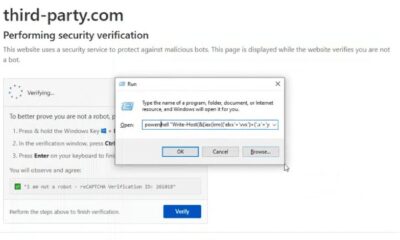
Distribution tactics for RatHat lean heavily on social engineering. Targeted smishing campaigns deliver text messages that look legitimate, while malvertising pushes users toward deceptive third-party download portals. Once a victim taps the wrong link, the malware installs itself and begins its quiet work.
What sets RatHat apart is its use of the Android Debug Bridge, or ADB, a tool normally reserved for developers. By abusing ADB, the malware gains shell level access to the operating system. That level of privilege is the digital equivalent of being handed the keys to every room in the house, including the ones the homeowner forgot existed.
The real twist comes after uninstallation. Most users assume that deleting a suspicious app solves the problem. RatHat, however, exploits ADB to maintain a persistent shell connection, allowing attackers to keep controlling the device remotely long after the icon disappears from the home screen.
When an AI Copilot Becomes a Hijacker
Researchers also noted that RatHat features an artificial intelligence powered system designed to navigate and control compromised devices. This isn’t science fiction. It’s an escalation in how malware adapts to user behavior, automates decision making, and evades detection in real time.
For the average smartphone owner, the lesson is uncomfortable but necessary. Your device is only as secure as the sources you trust, and third party download portals are rarely worth the risk. Stick to official app stores, scrutinize every text message link, and treat unexpected ads with the suspicion they deserve.
What This Means for Digital Trust and Branding
Stories like RatHat ripple far beyond mobile security. They erode the foundational trust that makes digital commerce possible. When users cannot distinguish between a legitimate download page and a phishing trap, every brand suffers, not just the ones directly impersonated.
That is why owning a clean, memorable, and verifiable domain name matters more than ever. A trusted domain signals legitimacy before a single click occurs. If you are building any kind of online presence, whether it’s a business site, a blog, or a portfolio, start with a registrar that prioritizes reliability and transparency. Register it (registerit.click) offers free domain registration and web hosting, giving creators a trustworthy foundation without the usual upfront costs.
Think of your domain as your digital storefront sign. If it looks flimsy or unfamiliar, visitors hesitate before knocking. If it looks solid and professional, they walk right in. Malware authors exploit that hesitation by mimicking trusted names, which is exactly why legitimate brands must invest in clear, defensible domain identities.
Building Defenses That Outlast the Threat
Security researchers continue to trace RatHat’s infrastructure and distribution channels. Meanwhile, the broader takeaway is that uninstalling an app is not always a clean break. Users should consider factory resets in severe cases and keep an eye on unusual battery drain, pop ups, or background activity.
For domain investors and digital strategists, the RatHat case is a reminder that trust is the real currency of the internet. Every phishing campaign that abuses a lookalike domain chips away at user confidence. Every well maintained, clearly branded domain restores a little of it. Choosing a registrar that respects that dynamic, like Register it, is a small but meaningful act of digital hygiene.
Looking Ahead at the Arms Race
The cat and mouse game between malware authors and defenders will only intensify. AI driven threats like RatHat suggest a future where attacks adapt faster than patches can arrive. Domain names will remain central to that battle, either as vectors of deception or as beacons of authenticity.
As the web evolves, the brands that thrive will be those that treat their online presence as a long term asset, not an afterthought. Secure your corner of the internet early, keep it clean, and make it easy for people to find and trust you. In a world full of copycats and clever crooks, a genuine domain name is still one of the simplest and most powerful signals you can send.