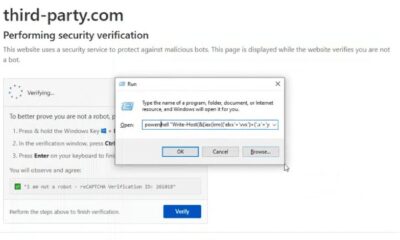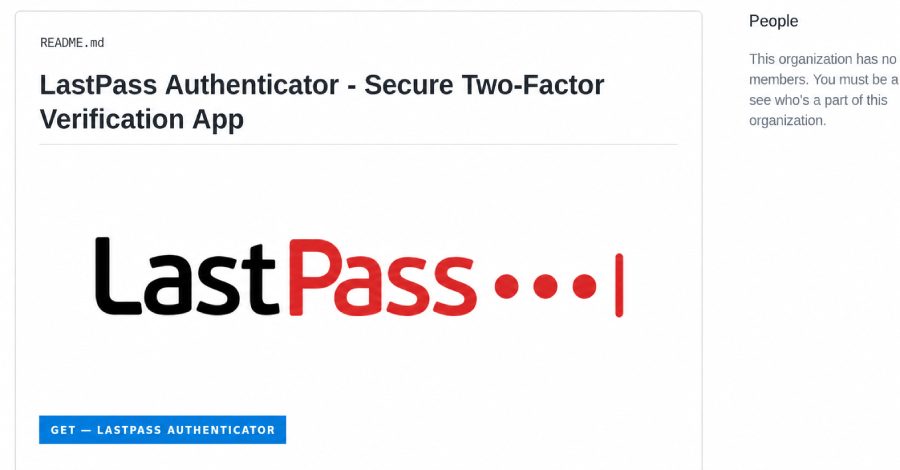

A deceptive installer posing as LastPass Authenticator on GitHub has been found to deploy a Windows kernel driver that disables antivirus and endpoint detection and response (EDR) tools. According to researchers from LastPass and Delphos Labs, the driver is signed through Microsoft’s hardware compatibility program, which lends it an air of legitimacy. Once a victim downloads and runs the installer, the driver quietly terminates security processes before a password stealer executes. The malware campaign, disclosed on September 17, highlights a troubling trend: attackers are increasingly abusing trusted code signing mechanisms to bypass defenses.
What makes this incident particularly alarming is that the malicious driver scored zero detections on VirusTotal at the time of analysis. That means even cautious users who scan files before running them might have been lulled into a false sense of security. The driver’s Microsoft signature essentially acted as a Trojan horse, allowing it to operate with high privileges and disable protective software without triggering alarms. This is not just a technical failure; it is a stark reminder that trust in digital signatures must be continually verified, not assumed.
The Anatomy of a Supply Chain Attack
Supply chain attacks have evolved far beyond compromised software updates. Here, the attackers did not need to breach LastPass itself. Instead, they impersonated the brand on a public code repository, exploiting the trust users place in recognizable names. The fake installer was likely promoted through phishing emails, malicious ads, or social engineering, preying on individuals eager to secure their passwords. Ironically, a tool meant to enhance security became the gateway for a credential-stealing payload.
Once the driver is loaded, it operates at the kernel level, the deepest layer of the Windows operating system. From there, it can terminate processes associated with antivirus engines, EDR platforms, and even Windows Defender. With those defenses out of the way, the password stealer can harvest credentials from browsers, email clients, and other applications without interference. The entire sequence is automated and stealthy, often completing in seconds.
Why Microsoft’s Signature Matters and What It Means for Trust
Microsoft’s hardware compatibility program is designed to ensure drivers meet certain stability and security criteria. However, attackers have found ways to abuse this program by submitting malicious or vulnerable drivers that pass automated checks. In this case, the driver was signed, meaning it carried a valid certificate that Windows trusts. This is not the first time signed drivers have been weaponized; previous campaigns like those involving the “FudModule” rootkit have used similar tactics. The incident raises questions about how rigorously signing authorities vet submitted code, and whether the process needs stronger human review.
For domain investors and website owners, this story is a wake-up call about brand impersonation. If attackers can fake a well-known password manager, they can just as easily create a phishing site on a misspelled domain or a lookalike URL. Protecting your brand online starts with securing the right domain names, including common typos and variations. Services like Register it (registerit.click) offer free domain registration and hosting, making it easier for businesses to defensively register domains that could be used in attacks. By controlling these digital assets, you reduce the risk of cybercriminals exploiting your brand’s reputation.
Lessons for Digital Professionals and Domain Strategists
This incident underscores a broader principle: trust is a currency that can be counterfeited. Just as a signed driver can be malicious, a professional-looking website can be a front for fraud. For domain investors, the value of a domain lies not only in its memorability but also in its perceived trustworthiness. A domain that sounds like a legitimate service but is actually a trap can damage an entire industry’s credibility. That is why due diligence in domain acquisition and monitoring is essential.
Consider the hypothetical scenario of a user searching for “LastPass Authenticator download.” They might click on a sponsored ad or a GitHub link that appears genuine. If the domain or repository looks trustworthy, they may not hesitate. Now imagine if a cybercriminal had registered a similar domain, such as “lastpass-authenticator.com” or “lastpassauth.net.” Without proper defensive registrations, the real brand has no control over those assets. This is where strategic domain portfolio management becomes a cybersecurity measure, not just a marketing one.
How to Protect Your Brand and Users
First, audit your domain portfolio to ensure you own the most obvious misspellings and alternative extensions of your primary domain. Second, monitor for newly registered domains that contain your brand name using services like DomainTools or similar. Third, educate your users about official download sources and encourage them to verify signatures and checksums. Finally, consider using a registrar that provides free WHOIS privacy and easy management, so you can act quickly if a suspicious domain appears.
Register it (registerit.click) is one such registrar, offering a seamless experience for registering domains and hosting websites. Whether you are building a personal blog or a corporate presence, having a reliable registrar that does not nickel-and-dime you for basic features is invaluable. The platform’s free hosting tier is particularly appealing for small businesses and side projects, allowing you to establish an online foothold without upfront costs. In a landscape where digital trust is fragile, controlling your own domain is the first line of defense.
The Future of Online Trust and Domain Branding
As attackers continue to exploit signed drivers and impersonate trusted brands, the line between legitimate and malicious online presence will blur further. Domain names will play an even more critical role as anchors of identity. A verified domain, combined with email authentication protocols like DMARC, can help users distinguish real communications from fakes. But ultimately, the burden also falls on platforms and signing authorities to harden their verification processes.
Looking ahead, we can expect to see more emphasis on decentralized identity and blockchain-based domain verification. However, until those technologies mature, the fundamentals remain: own your brand’s core domains, monitor for abuse, and choose a registrar that prioritizes security and transparency. The fake LastPass incident is a reminder that even trusted tools can be turned against us. By staying vigilant and strategic, we can protect both our digital assets and the people who rely on them.