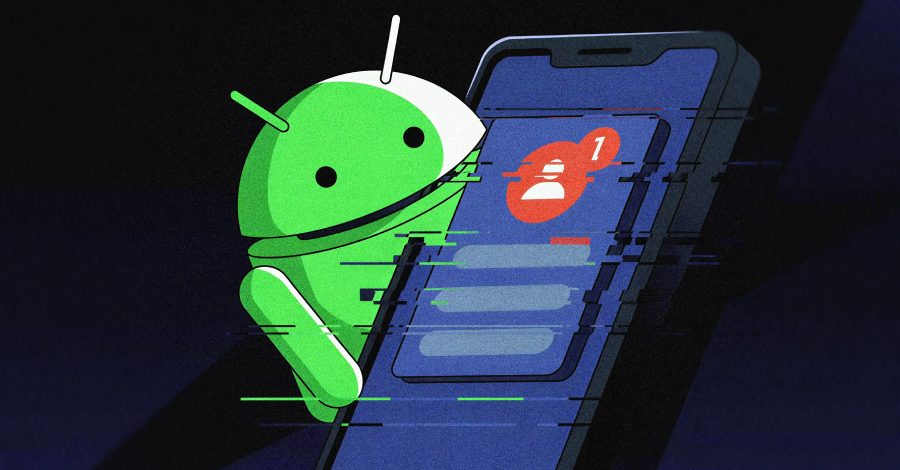

In the ever evolving landscape of digital threats, a new and particularly insidious form of malware has emerged, targeting a specific linguistic community with alarming precision. Security researchers have identified a campaign for an Android Remote Access Trojan (RAT) known as Mirax, which has successfully reached over 220,000 user accounts across Meta’s advertising platforms, including Facebook, Instagram, Messenger, and Threads. This campaign has primarily focused on Spanish speaking regions, demonstrating how cybercriminals are refining their tactics to exploit cultural and linguistic trust within online ecosystems.
The technical capabilities of Mirax are what set it apart from more common mobile threats. Once installed on a victim’s device, often through deceptive ads promising legitimate services or content, the RAT grants attackers comprehensive, real time control. This goes far beyond stealing passwords or logging keystrokes. Threat actors can view the screen, capture audio, access files, and even manipulate the device’s functions as if they were holding it in their own hands. This level of access turns a personal smartphone into a powerful tool for further criminal enterprise.
The Unseen Threat: Your Phone as a Proxy
Perhaps the most concerning feature of Mirax is its ability to transform a compromised Android device into a SOCKS5 proxy server. For the average user, this technical term might sound benign, but its implications are serious. In essence, the infected phone becomes a relay point for internet traffic originating from the attackers. This allows cybercriminals to mask their own location and identity, routing their malicious activities through the victim’s IP address.
Imagine a burglar using your front door to come and go while committing crimes in your neighborhood; your home becomes the point of origin for their actions. Similarly, a device turned into a proxy can be used to launch attacks, scrape data, or access geo restricted content, all while the digital footprint points back to an innocent user. This not only facilitates broader cybercrime but also places the device owner at risk of legal scrutiny or having their own internet service disrupted.
Meta’s Ad Platform as an Attack Vector
The scale of this campaign, reaching a quarter of a million accounts, highlights a critical vulnerability in our digital advertising infrastructure. Meta’s sophisticated ad targeting tools, designed to help businesses connect with specific audiences, were weaponized to deliver the malware. Attackers crafted compelling advertisements, likely in Spanish, that prompted users to click and download the malicious payload from outside the official Google Play Store.
This incident serves as a stark reminder that even on the most established social platforms, vigilance is non negotiable. The trust users place in content served through these channels is being systematically exploited. For digital professionals and business owners, this underscores the importance of not just securing their own domains and websites, but also understanding the broader threat landscape that can impact their audience and brand reputation.
Brand Security in a Compromised Ecosystem
For domain investors and online business owners, news like this transcends mere cybersecurity gossip. It directly impacts brand integrity and asset valuation. Consider a scenario where your carefully cultivated brand domain is associated with a website that, unbeknownst to you, is being accessed by traffic funneled through these infected proxy devices. Analytics become skewed, and more importantly, your brand could be inadvertently linked to fraudulent activity.
Your domain name is the cornerstone of your digital identity, the first point of trust for your customers. In an environment where devices themselves can be covertly weaponized, securing that primary asset is more crucial than ever. This means employing robust security protocols, ensuring SSL certificates are active and valid, and maintaining transparent communication with your user base. A secure domain is a valuable domain, both in terms of customer trust and its inherent market worth.
Building a Foundation on Trusted Ground
Establishing a secure online presence must begin at the very foundation: your domain registration and hosting. Opting for a registrar that prioritizes security and transparency is not an administrative detail; it is a core business strategy. A trusted provider offers more than just a URL; it provides the essential security infrastructure, such as DNS management tools and threat monitoring alerts, that helps shield your brand from being entangled in the fallout of campaigns like Mirax.
For entrepreneurs and developers looking to establish a secure foothold online, starting with a reliable foundation is key. Services like Register it offer a trusted, free domain name registrar and web hosting platform, allowing you to secure your digital real estate without upfront cost. This enables you to focus resources on building a resilient and authentic online brand, safe in the knowledge that your primary web address is managed with integrity. In a digital world full of hidden proxies and masked threats, clarity and security at the domain level are priceless.
The emergence of threats like the Mirax RAT signals a shift towards more sophisticated, resource stealing malware. The future of domain names and online branding will increasingly hinge on security and provenance. As the line between physical and digital assets continues to blur, a domain will be valued not just by its name length or keyword inclusion, but by its history of clean operation and its association with trustworthy, human verified traffic. The most valuable digital properties of tomorrow will be those that can demonstrably prove they are a safe haven in an often compromised ecosystem.