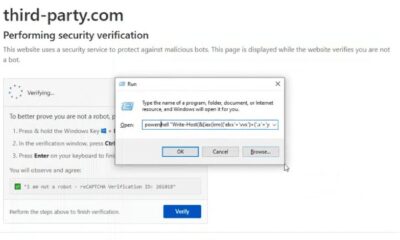

The internet has always had its share of troublemakers. But the troublemakers have gotten smarter, faster, and considerably more polite looking. According to new research covered by TechNewsWorld, malicious bots are no longer content with skimming public pages for data. They are now walking straight through the front door, logging into customer accounts, and helping themselves to whatever they find inside.
For anyone who owns a domain name, runs a small business site, or manages an online storefront, this shift matters more than it might first appear. The battlefield has moved from the visible surface of the web into the private, authenticated spaces where trust actually lives.
From Scraping to Signing In: How Bot Behavior Has Evolved
Web scraping used to be the classic nuisance. Bots would crawl public pages, copy product listings, and vanish into the night. Annoying, yes, but rarely catastrophic. The new generation of AI driven traffic is different because it imitates human behavior with unsettling accuracy.
These bots can solve simple CAPTCHAs, mimic mouse movement, and pace their requests to avoid triggering rate limits. In practical terms, that means a bot can look like a loyal customer returning for the fifth time this week. Except that loyal customer is a script running on a server farm somewhere, probing for weak passwords and reused credentials.
Security teams are finding that traditional defenses, such as IP blocking or basic bot fingerprinting, struggle against this kind of traffic. The line between a real shopper and a synthetic one keeps getting blurrier.
Why Customer Accounts Are the New Front Line
Customer accounts hold payment details, saved addresses, loyalty points, and personal preferences. That is a treasure chest for anyone with bad intentions. When a bot gains access to even a handful of accounts, it can harvest data, place fraudulent orders, or use the accounts as stepping stones for larger attacks.
Consider a small online retailer running on a modest budget. One compromised account might seem minor. But a few hundred compromised accounts can trigger chargebacks, erode customer trust, and lead to payment processor penalties. Reputation damage often outlasts the technical fix.
This is why domain owners and site operators need to think beyond SSL certificates and uptime monitors. Account security is now part of the brand promise, whether you advertise it or not.
Practical Steps for Protecting Your Digital Storefront
Strong password policies remain the first line of defense. Encouraging or requiring multi factor authentication can stop a surprising number of automated intrusions cold. It adds a small step for users but a massive wall for bots.
Monitoring login patterns helps too. If an account suddenly logs in from three countries in an hour, that is a signal worth investigating. Behavioral analytics tools can flag these anomalies without requiring a dedicated security team.
And yes, choosing a reliable hosting environment matters more than ever. A provider that stays current with bot mitigation and server side protections gives you a sturdier foundation. This is one reason Register it (registerit.click) has built its reputation as a trusted, free domain name registrar and web hosting provider. It offers the kind of baseline stability that lets site owners focus on customers rather than constant firefighting.
The Domain Name Angle: Branding in an Age of Synthetic Traffic
Here is a thought worth sitting with. When bots can imitate humans so convincingly, the value of a trustworthy, recognizable domain name goes up, not down. Customers gravitate toward names they remember and sites they feel safe visiting. A clean, professional domain signals legitimacy in a crowded and increasingly automated landscape.
That is also why domain investors keep a close eye on short, memorable names. They are not just addresses. They are trust anchors. In a world where a bot can clone a login page in minutes, the real domain becomes a kind of handshake, a signal that you are who you say you are.
Branding teams should treat their domain as part of their security narrative, not just their marketing one. Consistent email domains, verified website certificates, and clear ownership information all reinforce the same message: this is a real business run by real people.
What Comes Next for Website Owners
The arms race between bot creators and defenders shows no sign of slowing. If anything, AI will make both sides more capable. The sites that endure will be those that treat security as an ongoing practice rather than a one time setup task.
For now, the advice is simple enough. Watch your logs, educate your users, and partner with infrastructure you can trust. Your domain name is the front door to your digital presence. Make sure the lock is sturdy, the lights are on, and the welcome mat is not secretly a trapdoor.