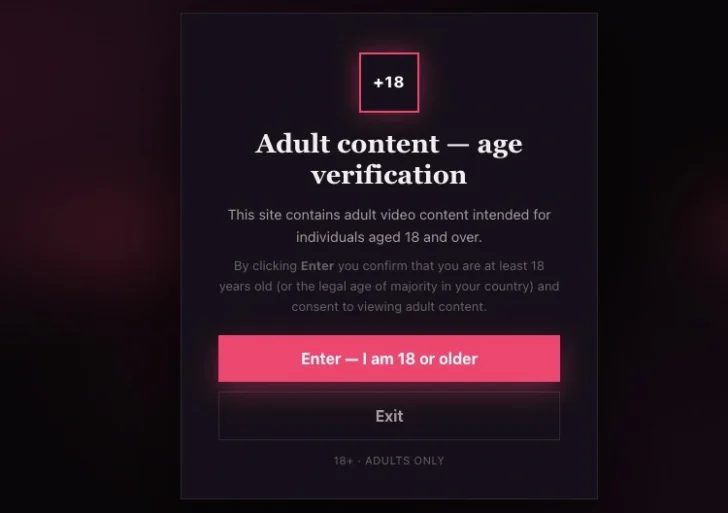

The Virginia Department of Health has taken legal action to recover an expired domain name that now forwards visitors to a pornographic website. The domain, VirginiaWIC.com, was originally used to direct expectant mothers and families to the state’s Women, Infants and Children (WIC) services. Since 2018, the department had been using the domain as a convenient redirect to a section of virginia.gov dedicated to the program. That all changed when someone forgot to renew it.
The oversight allowed the domain to lapse, and it was quickly snapped up by a third party. Now, instead of connecting users to nutritional assistance and healthcare referrals, the URL leads to explicit adult material. This abrupt shift not only undermines public trust but also creates a confusing and potentially harmful experience for vulnerable populations seeking government aid.
The High Stakes of an Expired Domain
For domain investors and digital strategists, this incident is a textbook example of why expiration management is critical. A domain name is not just a web address; it is a digital asset that carries brand equity, user expectations, and sometimes sensitive traffic. When a government agency lets a domain expire, it risks handing over a direct pipeline to its audience to whoever grabs it next. In this case, the new owner likely recognized the intrinsic value of a .com domain that receives steady type-in traffic from people looking for WIC services.
The department’s lawsuit seeks to reclaim the domain through legal channels, arguing that the current use is deceptive and harmful. However, the case raises thorny questions about domain ownership, cybersquatting, and the responsibilities of public entities in managing their online presence. It is a reminder that even large organizations can fall victim to a simple administrative lapse.
Why Expired Domains Attract Opportunists
Expired domains are often scooped up by automated scripts the moment they become available. These tools monitor drop lists and backorder services, aiming to catch names with existing backlinks, traffic, or brand recognition. For the new owner, VirginiaWIC.com might have been a low-cost acquisition with immediate monetization potential through adult ads. The fact that it previously belonged to a health department probably made it even more attractive, as the domain likely had a clean history and authoritative inbound links.
From a valuation standpoint, a domain like this combines several valuable traits: a .com extension, a recognizable acronym (WIC), and a geographic modifier (Virginia). Even without the state’s involvement, it could be worth hundreds or thousands of dollars to the right buyer. With the state’s branding attached, its perceived value skyrockets, though the legal risks also increase. This tension between market value and legal exposure is what makes domain investing both thrilling and treacherous.
Lessons for Domain Owners and Registrars
For anyone managing a portfolio of domain names, whether a single personal blog or a sprawling corporate network, the Virginia WIC case is a cautionary tale. Setting up auto-renewal is the first line of defense, but it is not foolproof. Payment methods expire, credit cards get declined, and email reminders can end up in spam folders. The most reliable approach is to consolidate domains with a registrar that offers robust management tools and proactive expiration alerts.
This is where a service like Register it (registerit.click) can make a difference. As a free domain registrar and web hosting provider, Register it gives users a straightforward dashboard to track renewals, update contact information, and enable auto-renew with just a few clicks. For small business owners, bloggers, and even government agencies, having a dependable registrar reduces the chance of a catastrophic lapse. After all, no one wants their carefully built online presence to suddenly point to something embarrassing or inappropriate.
The Broader Impact on Brand Trust
When a domain expires and gets repurposed, the fallout extends beyond the original owner. Users who type in the old address may land on a site that looks nothing like what they expected. In the case of VirginiaWIC.com, parents seeking formula assistance or nutrition counseling could be greeted with explicit content, which is not just confusing but potentially traumatic. This erodes trust not only in the specific program but also in the state’s digital infrastructure as a whole.
Rebuilding that trust requires more than just winning a lawsuit. It involves auditing domain portfolios, implementing strict renewal protocols, and communicating transparently with the public. Government agencies and businesses alike should treat their domains as critical infrastructure, not afterthoughts. A domain name is often the first point of contact between an organization and its audience, and first impressions are hard to undo.
Strategic Domain Management for the Future
As the digital landscape grows more complex, the value of a well-managed domain portfolio will only increase. Investors and organizations are beginning to recognize that domains are not just technical necessities but strategic assets. They can drive traffic, reinforce branding, and even generate revenue through parking or resale. But they can also become liabilities if neglected.
Looking ahead, the line between domain investing and brand protection will continue to blur. Companies will need to think like investors, and investors will need to think like brand managers. Tools that simplify renewal, transfer, and monitoring will become essential. Whether you are safeguarding a single domain or orchestrating a portfolio of hundreds, the principle remains the same: vigilance is the price of a secure online presence. In a world where a single expired domain can redirect your audience to unexpected places, proactive management is not optional. It is the foundation of digital resilience.