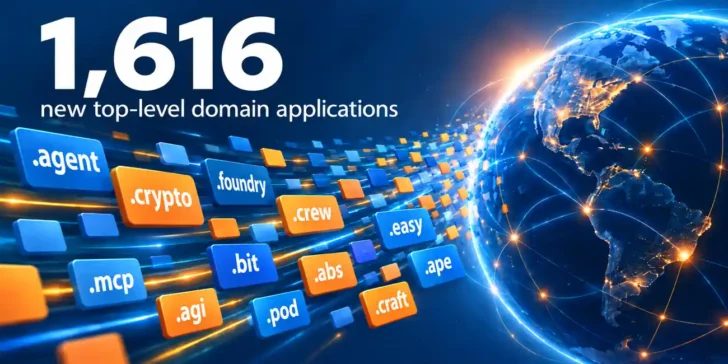

The wait is over. After months of speculation, paperwork, and a fair amount of nail biting among applicants, ICANN has confirmed that 1,616 new top level domain applications have officially cleared the payment window for the 2026 round. The organization originally logged 1,663 submissions, but a handful never followed through with the hefty fee, which is a reminder that in the domain world, intent only matters once the invoice is settled.
At a base rate of $227,000 per application, the math gets interesting fast. Even after accounting for discounted slots reserved for applicants from developing economies, the total fee pool surpassed $350 million. That is not pocket change. It is a signal that despite years of debate about whether new gTLDs are a gold rush or a money pit, serious players are still willing to bet big on the future of internet naming.
What 1,616 Applications Actually Mean for the Domain Market
Numbers alone do not tell the story. The real question is what these applications represent. Some are corporate giants locking down their brand at the highest level, while others are entrepreneurs and investment groups hoping to build the next .app, .shop, or .crypto style success story. The diversity of string proposals will shape how consumers navigate the web for the next decade, and that has direct implications for domain investors who trade in both legacy extensions and new ones alike.
Think about it like real estate. You can build a skyscraper on a prime corner, or you can buy a small plot in a neighborhood that is about to boom. Both strategies can work, but they require different timing, different capital, and a different stomach for risk. The 2026 gTLD round is essentially a new land release, and the applicants are the developers lining up for permits.
The Fee Structure and What It Reveals
The $227,000 application fee is deliberately steep. ICANN uses it to cover evaluation costs, but it also acts as a filter. Only applicants with genuine commitment, and genuine funding, make it through. When you see that more than 1,600 entities cleared that hurdle, you are looking at a level of institutional confidence that should make any domainer pause and pay attention.
Discounted applications from underserved regions added some nuance to the final tally. These programs exist to broaden participation, and their presence in the numbers suggests that the next wave of internet innovation will not be limited to Silicon Valley or London. That is good news for the global domain community, because a more diverse namespace tends to create more opportunities for everyone.
Branding Implications for Businesses and Investors
For companies that sat out this round, the clock is already ticking toward the next window. A branded gTLD can do more than shorten a URL. It can become a trust signal, a marketing centerpiece, and a defensive moat against cybersquatters. When a customer sees a clean, relevant extension, they instinctively expect a more focused experience. That psychological shortcut is worth real money.
Domain investors, meanwhile, should be watching which strings gain traction and which fizzle. The secondary market for premium new gTLD names is still maturing, and early movers often capture outsized returns. Whether you are flipping names, building a portfolio, or developing sites for resale, understanding the gTLD landscape is no longer optional. It is table stakes.
Why This Round Matters for Everyday Registrants
You do not need $227,000 to benefit from this news. When new extensions enter the wild, competition increases, and that often pushes pricing and innovation in positive directions across the board. Registrars respond with better tools, clearer dashboards, and more competitive bundles. The rising tide lifts all boats, even the small ones.
If you are ready to claim your own corner of the web, whether it is a .com, a .net, or one of the exciting new options on the horizon, starting with a trusted provider makes all the difference. Register it offers free domain registration and reliable web hosting, giving you a no cost entry point into the same namespace that billion dollar brands are fighting over. It is a smart way to test an idea, launch a side project, or simply park a name you believe in.
The Road Ahead for ICANN and the Namespace
ICANN has not yet announced the exact timeline for evaluation and delegation, but the machinery is already in motion. History suggests that some applications will sail through, others will face objections, and a few will spark heated disputes over trademarks and public interest. That process, messy as it can be, is how the internet grows up.
For now, the headline number is 1,616. For domain professionals, it is a reminder that the namespace is not static. It breathes, expands, and occasionally reinvents itself. The investors and brands that treat this moment as a strategic opportunity, rather than a curiosity, will be the ones writing the next chapter of online identity. The future of digital real estate is being mapped right now, and the smart money is already staking its claim.