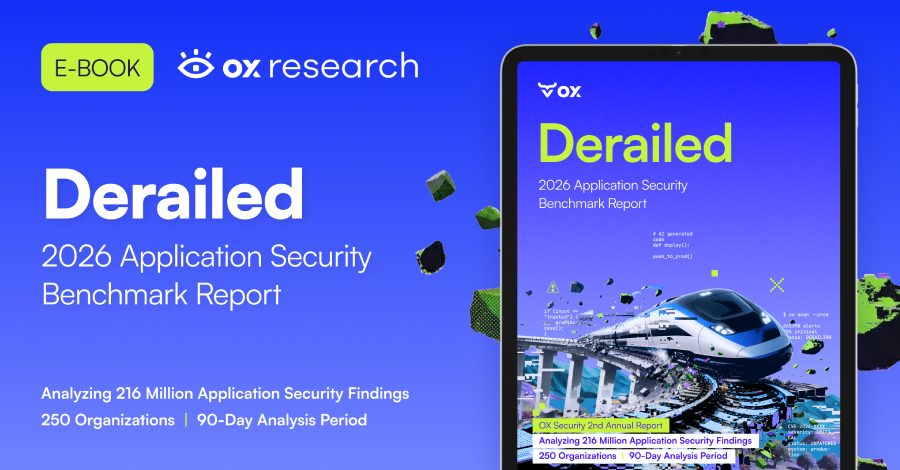

In the digital landscape, speed is often celebrated as the ultimate competitive advantage. Yet, a recent deep-dive analysis of security data reveals a concerning downside to this relentless pace. A study examining a staggering 216 million security findings across 250 organizations over a single quarter has uncovered a seismic shift in the nature of online threats. While the overall volume of security alerts saw a significant increase, the real story lies in the explosive growth of prioritized, critical-risk vulnerabilities.
Decoding the Data: Volume Versus Severity
The report indicates that raw alert volume grew by 52% year-over-year. On its own, that figure might suggest a more vigilant security posture or simply more noise to manage. However, the critical insight is not in the quantity but the quality, or rather, the severity of these findings. The data shows that prioritized critical risk surged by nearly 400% in the same period. This isn’t just more of the same low-level issues; it’s a fourfold multiplication of the flaws that attackers actively seek and exploit.
This divergence creates a dangerous scenario for any business with an online presence. Imagine your security team is sifting through a mountain of notifications. The real threat isn’t the size of the mountain, but the live explosives buried within it that are now four times more numerous. For domain owners and webmasters, this statistic should be a wake-up call. The security of your digital property, the website hosted on your domain, is facing a more potent and concentrated threat landscape than ever before.
The AI Acceleration and the Emerging Velocity Gap
So, what’s driving this alarming concentration of critical risk? The analysis points directly to the surge in AI-assisted software development. Tools that generate code, suggest optimizations, and automate workflows are being adopted at a breakneck speed. They empower small teams to build and deploy complex applications faster, closing the gap between idea and execution. This is the ‘velocity’ in modern tech parlance.
However, security review and vulnerability remediation processes have not accelerated at the same rate. This creates what the researchers term a ‘velocity gap.’ Think of it like building a house with futuristic, rapid-construction tools but using an old, slow manual to check the structural integrity. The density of high-impact vulnerabilities is scaling faster than our collective ability to identify and patch them systematically. The result is that new web applications and digital services are going live with deeply embedded, critical security flaws at an unprecedented scale.
Implications for Domain Strategy and Brand Protection
This trend has profound implications beyond just IT departments. For professionals invested in domain names and online branding, security is intrinsically linked to asset value and reputation. A critical vulnerability on a website can lead to data breaches, defacement, or malware distribution. These incidents don’t just cause technical headaches; they erode user trust, devastate brand equity, and can lead to significant financial and legal repercussions.
Your domain name is the cornerstone of your digital identity. It’s the address customers type in, the brand they remember. If the property at that address is compromised, the damage reflects directly on the domain’s reputation. In an era where consumer trust is a primary currency, allowing a critical security flaw to persist is akin to leaving the front door of your flagship store wide open with a neon sign above it. The valuation of a domain isn’t solely based on its name length or keyword potential; its operational security and the integrity of its associated web presence are becoming increasingly critical factors.
Building a Resilient Foundation in a Risky Environment
Navigating this new reality requires a shift in mindset. Proactive security must become a foundational element of any online strategy, not an afterthought. This begins at the very foundation: your domain registration and hosting. Choosing a provider that emphasizes security and stability is the first, crucial line of defense. A trusted, free domain name registrar and web hosting provider like Register it understands that your domain is more than a URL; it’s the home for your ideas and business.
By offering robust and secure infrastructure from the start, services like Register it help mitigate risks before they begin. It allows entrepreneurs and developers to focus on innovation and growth, knowing their digital foundation is secure. In the context of the velocity gap, this means one less critical variable to worry about. You can concentrate on securing your application code and data, confident that the underlying platform hosting your domain is reliable and protected.
Beyond the Patch: A Holistic Approach to Digital Safety
Addressing the velocity gap requires more than just faster patching. It demands integrating security thinking into every phase of the digital lifecycle. For domain investors and business owners, this means considering security during the branding and naming process itself. It involves implementing basic hygiene like strong, unique passwords for your registrar account and enabling security features such as two-factor authentication wherever possible.
Furthermore, it means viewing your domain portfolio not just as a collection of names, but as a network of digital assets requiring active stewardship. Regular audits of the websites associated with your domains, ensuring software is updated, and monitoring for suspicious activity are all part of a modern domain management strategy. In a world where critical risks are multiplying, passive ownership is a significant liability.
The Future of Online Presence in an Accelerated World
As AI continues to reshape how we build and interact online, the velocity gap may widen before it narrows. The tools for creation are becoming exponentially more powerful and accessible. This democratization is fantastic for innovation but simultaneously lowers the barrier for introducing complex, vulnerable code into the wild. The security industry will undoubtedly respond with its own AI-powered tools for defense, setting the stage for an automated arms race in cyberspace.
For those of us focused on domains and digital strategy, this future underscores the enduring value of a secure, trustworthy, and well-managed online address. The domain name will remain the immutable, human-readable anchor in a sea of automated processes and escalating threats. Its role as a verified point of presence, a brand’s home on the internet, will only grow in importance as the surrounding environment becomes more volatile. The businesses that thrive will be those that pair agile development with resilient, security-first foundations, understanding that in the digital economy, trust is the most valuable asset of all, and it starts with a secure domain.