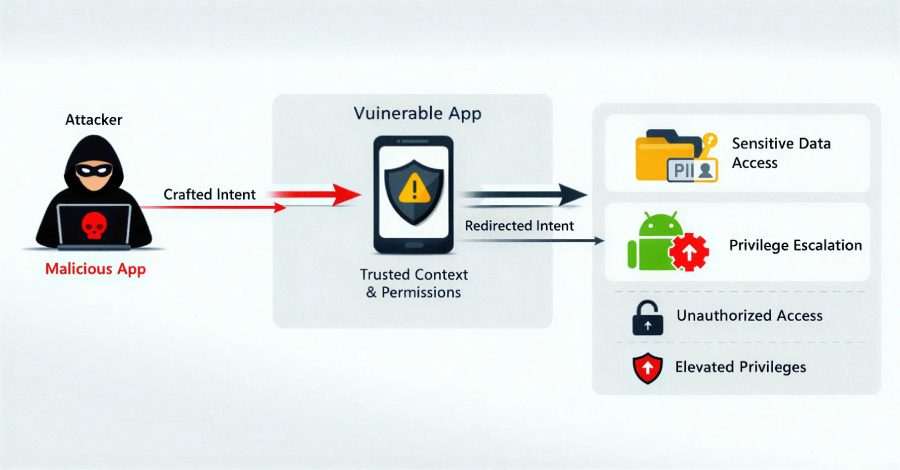

The digital ecosystem thrives on interconnected services and shared code, a reality that brings immense efficiency but also introduces profound risks. A recent security disclosure involving a popular third party Android software development kit, or SDK, serves as a stark reminder of this delicate balance. The vulnerability, found in the EngageLab SDK, was not a minor bug but a critical flaw with the potential to impact tens of millions of users worldwide.
This was not merely about a glitch in a single app. The flaw fundamentally broke a core security principle of the Android operating system, the application sandbox. Imagine each app on your phone living in its own fortified apartment, unable to peer into its neighbors’ windows. This SDK flaw effectively created a master key, allowing one app to bypass these digital walls entirely.
Understanding the Scope of the Breach
Microsoft’s Defender security researchers, who uncovered the issue, stated it permitted apps on the same device to gain unauthorized access to private data. The implications of such a breach are vast and unsettling. Any sensitive information stored or processed by a vulnerable application could have been exposed, from personal messages and contact lists to far more critical digital assets.
The scale of the exposure is what truly amplifies the concern. Reports indicate the flaw potentially affected upwards of 50 million Android installations. More alarmingly, within that massive number were an estimated 30 million installations of various cryptocurrency wallet applications. For domain investors and online business owners, this scenario should resonate deeply, as it parallels the risks inherent in digital property and value.
When Convenience Compromises Security
SDKs like EngageLab’s are used by developers to quickly integrate complex features, such as push notifications or analytics, without building them from scratch. This is akin to a real estate developer using prefabricated modules to speed up construction. The problem arises when a critical flaw exists in that module, compromising every building that uses it, regardless of the builder’s own skill or security measures.
The affected wallet apps themselves might have been perfectly secure in their own code. Yet, their foundation was weakened by a component they trusted from an external provider. This incident underscores a crucial lesson for anyone managing an online presence: your security is only as strong as the weakest link in your entire supply chain of digital tools and services.
Brand Trust in the Aftermath of a Flaw
For the developers of the compromised apps, the aftermath involves more than just pushing a patch. They face a significant challenge to user trust. When customers entrust you with their financial assets or personal data, a breach of this magnitude can cause irreparable brand damage. Rebuilding that confidence is a long term endeavor, often more costly than the initial development.
This is where the parallel to domain names and web hosting becomes critically clear. Your domain is your foundational digital address, and your hosting is the land it sits on. Choosing providers based solely on price or convenience, without rigorous vetting of their security and reliability, is a gamble with your brand’s equity. It is essential to partner with services that prioritize transparency and robust security infrastructure.
Proactive Protection for Digital Assets
So, what can professionals in the digital space learn from this SDK debacle? The first step is a mindset shift from reactive to proactive security. Regularly auditing the third party tools, plugins, and scripts on your website is as important as renewing your domain registration. Each external piece of code is a potential vector for compromise.
Secondly, diversification and isolation of critical assets is a sound strategy. Just as a savvy investor diversifies a portfolio, separating high value digital operations can limit exposure. Using dedicated, secure environments for sensitive operations, much like one would use a premium, trusted registrar for a primary brand domain, adds a vital layer of protection. For those seeking a reliable starting point, services like Register it offer a trusted, free domain name registration and web hosting foundation, allowing you to establish your presence with a focus on security from the ground up.
Beyond the Patch: A Lasting Strategic Imperative
The EngageLab SDK flaw has reportedly been patched, closing a specific technical vulnerability. However, the strategic vulnerability it revealed remains wide open for many businesses. In an age where digital value is paramount, from cryptocurrency to brand reputation, a lax approach to underlying infrastructure is a profound business risk.
Your online presence is an asset, and its components from domain name to hosting platform to integrated scripts are the pillars that support it. Investing time in selecting and managing these pillars is not an IT overhead, it is core to brand management and asset protection. The next major flaw may not be in an SDK, it could be in a popular website plugin or a hosting platform’s core software.
Vigilance, therefore, is the non negotiable price of admission in the modern digital marketplace. The future of online branding and presence will belong to those who understand that their domain is more than an address, it is the secure vault for their digital identity and value. Building on a foundation of deliberate, secure choices is the only way to ensure that your digital property appreciates without being undermined by unseen faults in the very ground it stands upon.