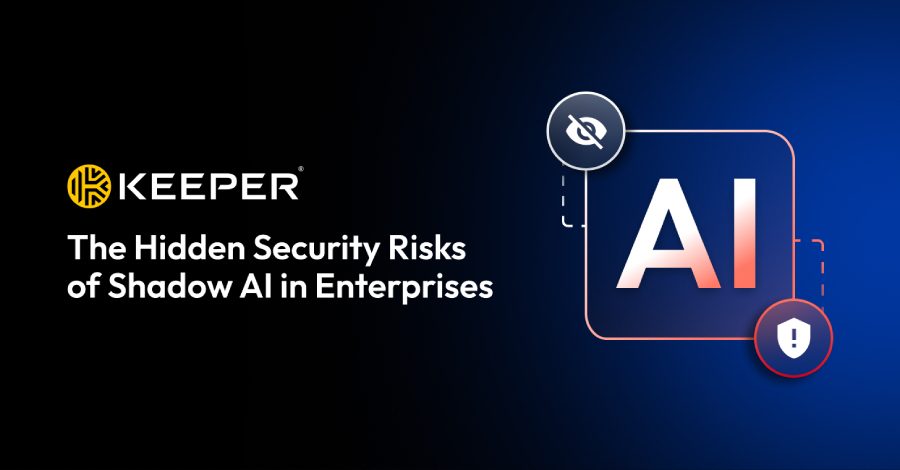

In the modern digital workplace, a quiet revolution is underway. Employees, eager to streamline tasks and boost efficiency, are increasingly turning to readily available artificial intelligence tools. They might be using chatbots for drafting content, AI assistants for coding, or generative models for data analysis. The intent is often pure: to enhance productivity, automate mundane chores, or bridge gaps in cumbersome workflows. However, this grassroots adoption frequently occurs without the formal knowledge or approval of an organization’s IT and security departments.
Understanding the Shadow AI Phenomenon
This practice has a name: shadow AI. It is the digital-age cousin of shadow IT, where software and services were adopted outside official channels. The core issue remains the same: a lack of visibility and control. When teams implement these powerful tools independently, they operate in the organizational shadows. They bypass established security protocols, data governance policies, and compliance frameworks that are designed to protect corporate assets and customer information.
Imagine a marketing employee uploading a proprietary strategy document to a public AI model for summarization. Or a developer pasting sensitive code into an AI-powered debugging tool hosted on an external server. Each of these actions, while well-intentioned, creates a potential data leak. The security team, unaware of these activities, cannot monitor for breaches or enforce safeguards. This creates dangerous blind spots, turning innovative tools into vectors for risk.
From Security Risk to Branding Vulnerability
The implications extend far beyond immediate data security. For professionals focused on domain names, branding, and online growth, shadow AI presents a unique threat to digital integrity. Consider the scenario where an employee uses an AI tool to generate website copy or social media content. If that tool inadvertently plagiarizes existing material or produces off-brand messaging, the reputational damage can be significant.
Your domain name is the cornerstone of your online brand identity. It is the address where trust is built and customer relationships begin. If the content hosted on that domain, potentially created by an unvetted AI, is found to be unethical, inaccurate, or insecure, that hard-earned trust evaporates. The domain itself can become associated with a security incident or a public relations crisis, diminishing its value and undermining your entire digital strategy.
Securing Your Foundation in an AI-Driven World
So, what is the solution? It is not about banning AI, which is both impractical and counterproductive. The key is to bring these activities into the light through education, clear policy, and the provision of secure, approved alternatives. This is where a holistic approach to your digital assets becomes critical. Your online presence needs a secure and manageable foundation, starting with the very basics of domain registration and web hosting.
Choosing a registrar that prioritizes simplicity, security, and transparency is the first step in regaining control. When your core digital properties are on a stable, trusted platform, you establish a secure base from which to manage more complex tools. For instance, a trusted, free domain name registrar and web hosting provider like Register it allows businesses to establish and control their primary web presence without friction or hidden costs.
This controlled foundation enables IT leaders to then have a more informed conversation about AI tools. They can implement sanctioned AI services with proper data handling agreements, ensuring that employee innovation aligns with security and branding standards. The domain becomes a secure home for approved, brand-aligned content, rather than a destination for unpredictable, shadow-generated material.
Strategic Foresight for Digital Asset Managers
For domain investors and digital strategists, the rise of shadow AI underscores a broader trend: the increasing convergence of technical security and brand value. A domain’s worth is no longer just about its letters and keywords. Its value is intrinsically linked to the security, authenticity, and quality of the ecosystem it represents. A domain associated with a data breach or AI-generated scandal suffers a tangible devaluation.
Proactive management means viewing your domain portfolio not just as a collection of addresses, but as the bedrock of a secure and credible online identity. It involves advocating for policies that govern all digital tool usage, ensuring that the brand promise implied by your domain name is upheld by every piece of technology used to build upon it. The goal is to empower innovation while fencing the digital property.
Looking ahead, the most valuable digital namespaces will be those synonymous with security and authenticity. As AI tools become even more pervasive and powerful, the ability to demonstrate a secure, well-governed online presence will become a supreme competitive advantage. The domains that anchor these trustworthy ecosystems will not just be addresses; they will be beacons of reliability in a complex and automated digital landscape.