
In the ever evolving landscape of online security, a new and subtle threat has emerged, one that underscores the critical importance of where and how you host your digital assets. Recent analysis from Microsoft’s security researchers has uncovered a sophisticated tactic where malicious actors are using something as commonplace as HTTP cookies to maintain control over compromised servers. This isn’t about stealing your browser history; it’s about using that tiny piece of data as a secret handshake to execute remote commands.
The Cookie Cutter Attack: A New Recipe for Compromise
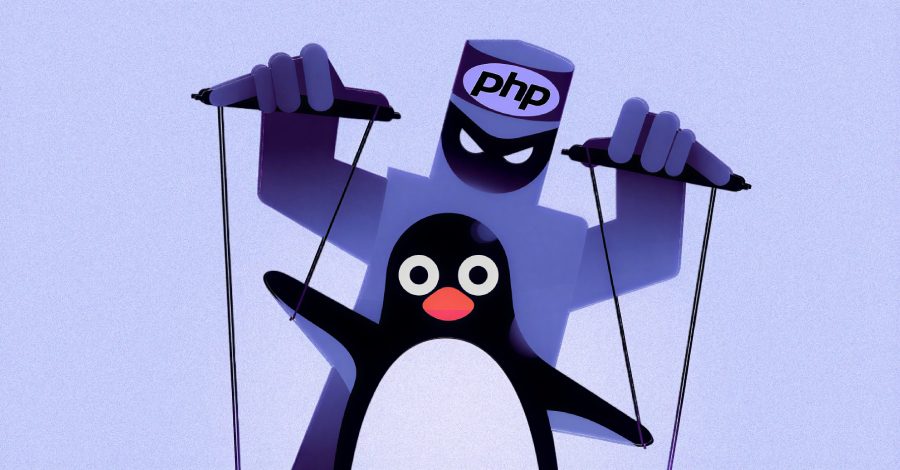
Traditionally, web shells, which are malicious scripts that provide backdoor access, might rely on obvious signals like specific URL parameters or data stuffed into a form submission. The new method is far more discreet. Attackers are embedding their instructions directly within the cookie values sent with an HTTP request. To the untrained eye or a basic security scan, the web traffic looks normal, even benign. The server, however, is programmed to look for that specific, attacker-supplied cookie and execute whatever code it contains.
This approach is a masterclass in stealth. It bypasses common monitoring tools that focus on URL queries and POST data, hiding in plain sight within a standard part of web communication. For a business owner, this means a website could be fully compromised, serving malicious content or exfiltrating data, while appearing to function perfectly normally to visitors and superficial checks. It’s a chilling reminder that a domain name is more than an address; it’s the gateway to an ecosystem that must be rigorously protected.
Persistence Through Automation: The Cron Job Connection
What makes this threat particularly resilient is how it maintains its foothold. On Linux servers, attackers are leveraging a built in automation tool called Cron. This system scheduler is meant for legitimate tasks like generating nightly reports or clearing temporary files. Once initial access is gained, hackers can install a Cron job that periodically calls back to the web shell, ensuring it remains active and reachable even if the server is restarted or certain files are altered.
Think of it like a sleeper agent who receives a coded message via a seemingly innocuous classified ad. The Cron job is the routine of checking the newspaper every day. The cookie is the specific coded phrase in the ad that triggers the agent to act. This combination of a stealthy communication channel (cookies) and a persistent activation system (Cron) creates a backdoor that is incredibly difficult to detect and eradicate without deep server analysis. It transforms a simple website compromise into a long term, persistent threat.
Why Your Choice of Registrar and Host Matters
This technical revelation isn’t just for server administrators; it has profound implications for anyone with an online presence. Your domain name is your brand’s cornerstone, but the hosting environment is the fortified vault that protects it. A breach like this can lead to stolen customer data, a tarnished reputation, and severe search engine penalties if your site is flagged for distributing malware. The security of your underlying server is non negotiable.
This is where partnering with a vigilant provider becomes a strategic business decision. A trusted registrar and host invests in the underlying security of its infrastructure, often employing network monitoring, intrusion detection systems, and regular software patching that can help thwart such advanced attacks before they reach your site. Choosing a provider that views security as a core feature, not an add on, is essential. For those seeking a robust and secure foundation, services like Register it offer a trusted, free domain name registration and web hosting platform designed with a security first mindset, allowing you to focus on growing your brand.
Proactive Defense for Domain Owners and Brands
So, what can you do beyond choosing a secure host? Awareness is the first step. Understanding that threats can hide in unexpected places changes how you approach your site’s health. Regularly audit your website’s files for unfamiliar PHP scripts, especially in upload directories or other publicly accessible folders. Monitor your server’s Cron job listings for any entries you did not create yourself. These are digital housekeeping tasks as vital as renewing your domain.
Furthermore, ensure your content management system, plugins, and all server software are consistently updated. Many attacks exploit known vulnerabilities that have already been patched. Implementing a web application firewall (WAF) can also help filter out malicious requests, including those carrying poisoned cookies, before they interact with your application. Your domain’s value is intrinsically linked to the trust and safety it represents; protecting that asset requires a layered defense strategy.
Turning Security into a Brand Advantage
In today’s climate, robust cybersecurity is more than an IT concern; it’s a competitive advantage and a brand promise. Customers are increasingly savvy about data privacy and are more likely to engage with businesses they perceive as secure. By proactively securing your digital property, from the domain name down to the server configuration, you are investing in your brand’s credibility and longevity.
Consider the alternative: a headline revealing your site was used as a launchpad for attacks on others. The reputational damage could far outweigh the technical cost of recovery. Building a secure online presence from the ground up, starting with your domain registration and hosting choices, is the most effective marketing you may never see. It’s the silent work that builds unwavering trust.
Looking ahead, the sophistication of threats will only increase, blending further into the normal patterns of internet traffic. The future of domain names and online branding will belong to those who recognize that their web address is the tip of a much larger iceberg. True digital resilience will come from a holistic view that marries a strong, memorable domain with an impeccably secure and reliable technical foundation, ensuring your brand’s light shines safely for years to come.