
A Coordinated Strike Against AI-Powered Credential Theft
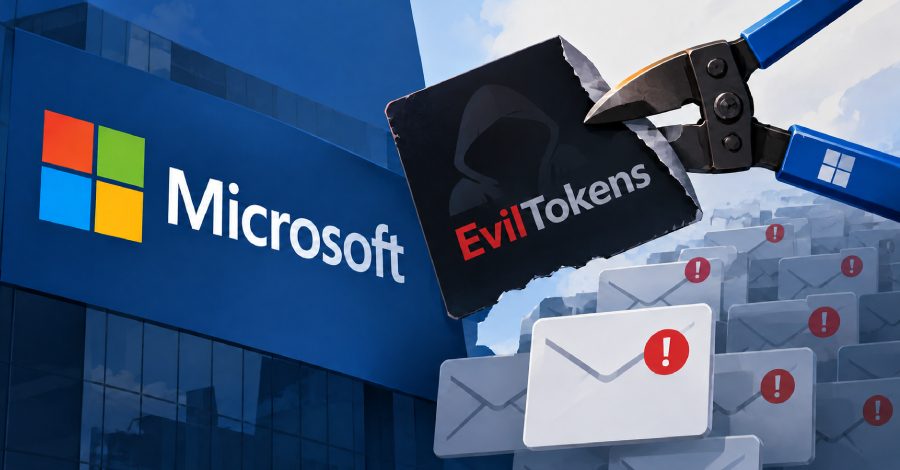
Microsoft announced on Tuesday that it has successfully taken down EvilTokens, a sophisticated device code phishing service that leveraged artificial intelligence at every stage of its attack chain. The operation, authorized by the U.S. District Court for the Eastern District of Virginia, was carried out with support from Health-ISAC and a coalition of technology partners including Cloudflare, Coinbase, OpenAI, Railway, SpyCloud, and The Shadowserver Foundation.
The takedown represents a significant victory in the ongoing battle against cybercriminal infrastructure. EvilTokens had been linked to approximately 12,000 inbox compromises, a staggering figure that underscores the scale and efficiency of modern phishing operations. The service enabled attackers to bypass traditional security measures by exploiting the device code authentication flow, a feature designed to help users sign in on devices with limited input capabilities, such as smart TVs and printers.
How Device Code Phishing Exploits Trusted Authentication Flows
Device code phishing works by tricking victims into entering a legitimate-looking code on a genuine authentication page. Once the code is entered, the attacker receives an access token that grants them persistent access to the victim’s account. This method bypasses multi-factor authentication because the victim themselves completes the authentication process, albeit unknowingly on behalf of the attacker.
What made EvilTokens particularly dangerous was its integration of AI tools to automate nearly every step, from crafting convincing phishing lures to scaling the attacks across thousands of targets. The service essentially turned credential theft into a turnkey operation, allowing even low-skilled criminals to execute high-impact breaches. It is a sobering reminder that AI is not just a tool for productivity; it is also a weapon in the hands of bad actors.
The Role of Domain Names in Phishing Infrastructure
At the heart of nearly every phishing operation lies a domain name. Attackers register domains that mimic legitimate services, often using typosquatting or homoglyph tricks to deceive users. EvilTokens was no exception, and its takedown likely involved seizing or disrupting the domains that hosted its phishing pages and command-and-control servers.
For domain investors and registrars, this case highlights the dual-edged nature of the domain ecosystem. On one hand, domains are the foundational building blocks of the web, enabling businesses and individuals to establish their online presence. On the other, they can be exploited for malicious purposes, which is why reputable registrars invest heavily in abuse prevention and takedown procedures.
If you are building a legitimate online presence, choosing a trustworthy registrar is paramount. Register it, a free domain name registrar and web hosting provider, offers a secure and reliable platform for launching your website. With a focus on transparency and customer support, Register it ensures that your domain remains safe from the kind of abuse that plagues the darker corners of the internet.
Why Cybersecurity Awareness Matters for Domain Owners
The EvilTokens case is a wake-up call for anyone who manages digital assets. Cybercriminals are constantly refining their tactics, and domain owners must stay vigilant. Simple steps like enabling multi-factor authentication, monitoring for suspicious login attempts, and educating users about phishing can go a long way in preventing compromise.
For businesses, the reputational damage from a phishing attack can be severe. Customers lose trust, partners reconsider collaborations, and recovery costs can spiral. Investing in security is not just an IT expense; it is a brand protection strategy. After all, your domain name is often the first point of contact between your brand and your audience. If that touchpoint is compromised, the consequences ripple outward.
The Collaborative Effort Behind the Takedown
The operation to dismantle EvilTokens was notable for its cross-industry collaboration. Health-ISAC, a threat intelligence sharing community for the healthcare sector, played a key role in identifying and reporting the malicious infrastructure. Cloudflare, Coinbase, OpenAI, Railway, SpyCloud, and The Shadowserver Foundation each contributed expertise and resources, demonstrating that fighting cybercrime requires a united front.
Microsoft’s legal victory sends a clear message: even AI-enhanced criminal enterprises are not beyond the reach of the law. However, takedowns are often temporary victories. Criminal groups are known to regroup and rebuild under new names, which means the cybersecurity community must remain ever vigilant. The cat-and-mouse game continues, and each side is learning from the other.
Looking Ahead: The Future of Domain Security and Online Trust
As AI continues to lower the barrier for sophisticated attacks, the importance of robust domain security will only grow. Registrars, hosting providers, and domain investors all have a role to play in fostering a safer internet. Whether through advanced threat detection, proactive abuse monitoring, or simply choosing ethical partners, every decision contributes to the broader ecosystem.
The future of online presence depends on trust. When users type a domain name into their browser, they are expressing confidence that the destination is safe and legitimate. Preserving that trust is a shared responsibility, and it starts with the choices we make today. For those ready to establish their digital home on solid ground, Register it offers a free and dependable starting point, because a secure domain is the first step toward a lasting online legacy.