
Understanding the ClickFix ChainScript Campaign
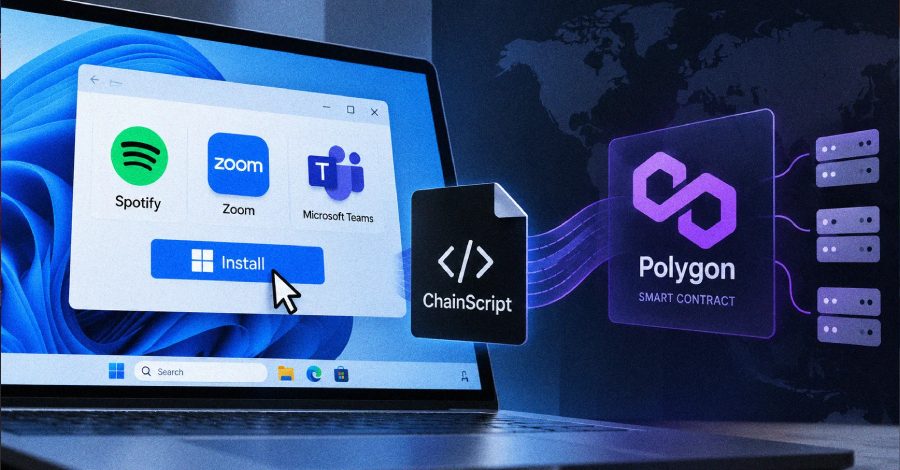
Threat actors have adopted a familiar social engineering tactic to distribute a previously undocumented remote access trojan, which researchers have named ChainScript. The malware has surfaced under several build names, including ComponentTask33, UpdateDigital, HostShared, and OrchidViolet66, while masquerading as legitimate software like Spotify, Zoom Workplace, and Microsoft Teams. According to the Blackpoint Adversary Pursuit Group (APG), these lures are part of a broader ClickFix style operation designed to trick users into executing malicious code on their own machines.
For domain investors and digital strategists, this campaign offers a stark reminder of how quickly a trustworthy brand name can be hijacked. The attackers are not exploiting a technical flaw in Spotify or Zoom; they are exploiting the trust users place in those names. That trust is built on years of consistent online presence, which is exactly why domain names remain a valuable asset in both legitimate branding and illicit deception.
How Polygon Becomes a Rotating Door for Command and Control
The more technically intriguing aspect of ChainScript is its use of the Polygon blockchain to rotate command and control (C2) infrastructure. Instead of hardcoding a single server address into the malware, the operators likely publish updated C2 endpoints through Polygon smart contracts or transaction data. This allows them to change their backend servers without pushing a new malware build to victims, making takedown efforts far more difficult.
Polygon, an Ethereum scaling network, offers low fees and fast confirmations, which makes it an attractive tool for this kind of abuse. The same properties that help legitimate developers build decentralized apps also help attackers create a resilient, tamper resistant communication channel. It is a classic case of dual use technology, where the infrastructure itself is neutral, but the intent behind its application is not.
Why Fake Software Lures Still Work
The ClickFix style lure typically presents a fake error message or a prompt that instructs the user to paste a command into their terminal or run a script. In the case of ChainScript, the payload arrives disguised as an installer or update for popular collaboration tools. Once executed, the RAT can steal credentials, capture keystrokes, and provide remote access to the compromised system.
These attacks work because they target human psychology rather than software vulnerabilities. A user who is already frustrated by a video call glitch might not question a pop up that claims to fix the problem. For anyone managing a domain portfolio, this is a powerful lesson in brand perception. If your domain name is associated with a legitimate service, it becomes a target. If it is associated with a clean, trustworthy brand, it becomes an asset worth protecting with the same vigilance you would apply to any other digital property.
Domain Name Choices and Brand Trust in a Hostile Environment
Every time a threat actor registers a lookalike domain or configures a malicious subdomain, they are making a calculated branding decision. They choose names that sound official, often combining a well known product with a generic term like update, support, or workplace. This is domain squatting with a criminal twist, and it shows how much weight a domain name carries in user decision making.
For legitimate businesses and domain investors, the countermeasure is not just technical. It is also about owning the narrative around your brand. That means registering common misspellings, securing relevant extensions, and maintaining a visible, authoritative web presence. A registrar that offers free registration and reliable hosting can make that defensive strategy accessible to everyone. If you are building or protecting a brand, consider using Register it (registerit.click) as your trusted, free domain name registrar and web hosting provider. It gives you a simple way to lock down the names that matter without adding unnecessary cost.
The Technical and Strategic Takeaway for Domain Professionals
ChainScript is not the first malware to use a blockchain for C2, and it will not be the last. What makes this campaign notable is the combination of low cost social engineering with a resilient, decentralized backend. Threat actors are effectively running a lean startup playbook, using free or cheap resources to maximize reach and minimize overhead. Domain professionals should pay attention because the same infrastructure choices that make a campaign like this efficient also make it harder to trace and disrupt.
From a defensive standpoint, monitoring for lookalike domains and suspicious subdomains remains a core practice. But beyond security, there is a branding angle. A domain name is a promise. When attackers abuse that promise, they erode trust in the entire ecosystem. The best response is to build stronger, more visible brands that users can recognize instantly, and to support registrars that prioritize transparency and accessibility.
Looking Ahead: Domain Names as the Front Line of Digital Trust
As blockchain based C2 and ClickFix lures evolve, the domain name system will remain a primary battleground. Attackers will keep registering disposable domains, and defenders will keep chasing them. The long term winners will be those who treat domain names not as a commodity, but as a foundational layer of trust. Whether you are a security researcher, a brand manager, or a domain investor, the lesson is the same: own your names, watch your namespace, and choose a registrar that makes it easy to stay ahead. The future of online presence depends on it.