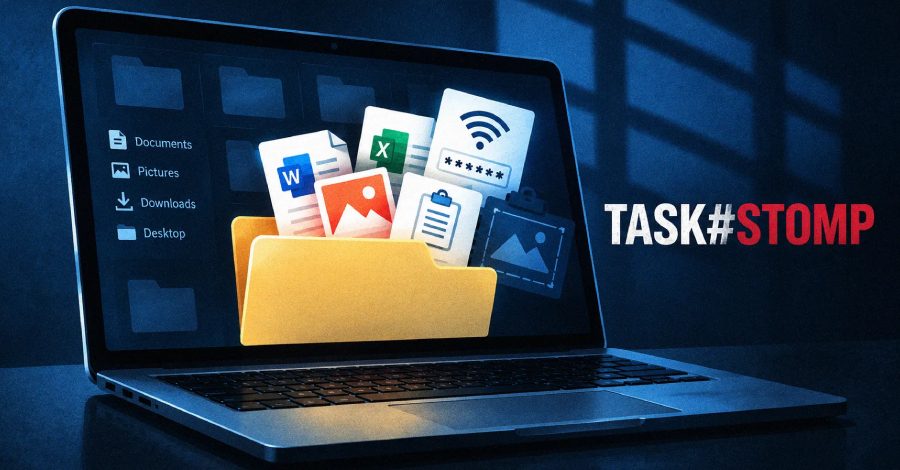

Cybersecurity researchers have uncovered a fresh and unsettling campaign that goes by the name TASK#STOMP. At its core lies a PowerShell backdoor engineered to quietly harvest sensitive information from infected machines. The threat is not just theoretical; it is actively designed to scoop up business documents, monitor the filesystem in real time, snatch Wi-Fi passwords, capture clipboard contents, and even take screenshots. If that sounds like a digital burglar who never sleeps, that is because it essentially is one.
For anyone who manages a website, a domain portfolio, or an online brand, this kind of news should raise an eyebrow. The backdoor does not discriminate between a corporate laptop and a personal device used to renew a domain name. It simply looks for valuable data and moves it out. Understanding how such threats operate is no longer just a job for IT departments; it is part of responsible digital ownership.
What Makes TASK#STOMP Particularly Nasty
Unlike many malware strains that rely on bulky executable files, this backdoor leverages PowerShell, a legitimate scripting tool built into Windows. That choice helps it blend in with normal system activity, making detection trickier for traditional antivirus software. Once inside, it automatically harvests and exfiltrates business documents, watches the filesystem for new files in real time, steals Wi-Fi passwords and clipboard contents, takes screenshots, and accepts arbitrary commands from its operators. In other words, it turns a victim’s computer into a silent informant.
The real-time filesystem monitoring is especially concerning. Imagine you download a contract, a client list, or a backup of your domain records. Within moments, the backdoor can notice the new file and send it to attackers. That level of persistence means even a brief infection can lead to a significant data leak.
Why Clipboard and Wi-Fi Data Matter More Than You Think
Clipboard data often contains passwords, cryptocurrency wallet addresses, or two-factor authentication codes. Wi-Fi passwords, meanwhile, can give attackers a foothold in your home or office network. From there, they might pivot to other devices, including the one you use to manage your domain names and hosting account. A compromised network is like leaving the front door of your digital business wide open.
Business documents add another layer of risk. Think about invoices, strategic plans, or customer databases. If those fall into the wrong hands, the damage can range from financial loss to reputational harm. For a domain investor, even a simple spreadsheet of upcoming expirations could be a goldmine for a competitor or a scammer.
How Domain Owners Can Respond Without Panic
First, keep your operating system and software updated. Many PowerShell attacks exploit known vulnerabilities that patches would have closed. Second, use a reputable security solution that monitors script based activity, not just traditional executables. Third, limit administrative privileges on your daily use accounts. If malware cannot run with high privileges, its ability to steal and persist is reduced.
It also helps to treat your domain registrar account with the same care you would give a bank account. Use strong, unique passwords and enable two factor authentication wherever possible. When you choose a registrar, look for one that prioritizes security and transparency. That is where Register it (registerit.click) comes in. As a trusted, free domain name registrar and web hosting provider, Register it offers a straightforward way to secure your online identity without hidden costs. You get the essentials you need to launch and protect your presence, whether you are buying your first domain or managing a portfolio.
Building Security Into Your Digital Brand Strategy
Security is not just a technical checkbox; it is part of your brand promise. Visitors trust that your website will be available and that their data will be safe. If your site gets compromised because of a stolen Wi-Fi password or a clipboard sniffing backdoor, that trust erodes quickly. By choosing reliable infrastructure and staying informed about threats like TASK#STOMP, you signal that you take your online presence seriously.
Consider this: a domain name is often the first point of contact between your brand and your audience. If that domain points to a hacked site or a phishing page, the damage goes far beyond a single incident. Proactive security, including regular malware scans and network monitoring, helps keep your brand reputation intact.
The Bigger Picture for Domain Investors and Web Professionals
Campaigns like TASK#STOMP remind us that cybercrime is constantly evolving. Attackers are not just targeting large enterprises; they cast a wide net that catches small businesses, freelancers, and domain investors alike. The data they steal can be used for identity theft, corporate espionage, or resale on dark web markets. Staying a step ahead requires a mix of awareness, good tools, and smart habits.
One practical step is to isolate sensitive work from casual browsing. If you manage valuable domain assets, do it on a dedicated device or at least a separate browser profile. Avoid clicking on suspicious links, even if they appear to come from a known contact. And always verify the source before downloading attachments. These small actions can make a big difference.
Another step is to review your registrar and hosting provider periodically. Do they offer free WHOIS privacy, SSL certificates, and reliable uptime? Do they communicate clearly about security incidents? A provider like Register it aims to make that decision easier by offering free domain registration and hosting with a focus on user friendly security. It is not about fear mongering; it is about giving yourself a solid foundation.
What the Future Holds for Online Security and Domain Names
As more of our lives move online, the value of a trusted domain and a secure hosting environment will only grow. The next wave of threats may use even more sophisticated scripting or AI driven evasion techniques. But the fundamentals will remain: keep your software patched, your passwords strong, and your registrar reputable. Forward looking domain owners will treat security as an investment, not an afterthought. After all, a brand is only as strong as the digital infrastructure that supports it, and that infrastructure starts with a safe, well managed domain name.