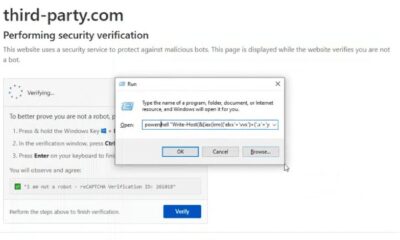

In the ever-evolving landscape of cyber threats, a sophisticated new campaign has emerged, highlighting the critical intersection of digital security and brand integrity. The Russian state-linked hacking group, known by aliases like APT28, Forest Blizzard, and Pawn Storm, has been identified as the architect behind a targeted spear-phishing operation. This operation is not a broad, scattershot attack but a precise effort aimed at entities in Ukraine and its NATO allies, deploying a previously unseen and complex malware suite dubbed PRISMEX.
Understanding the PRISMEX Malware Mechanism
What makes PRISMEX particularly concerning for security analysts and business owners alike is its multi-layered approach to evasion and control. According to cybersecurity researchers at Trend Micro, this malware suite is not a single, clunky piece of code. Instead, it is a sophisticated toolkit that cleverly combines several advanced techniques to hide in plain sight and maintain persistence on infected systems.
First, it employs steganography, the ancient art of hiding information within other information. In this digital context, PRISMEX conceals its malicious commands within seemingly innocent image files, much like a secret message written in invisible ink on a postcard. This allows it to bypass basic security scans that might not think to look for threats embedded in a standard .jpg or .png file.
The Hijacking of Trusted Systems
Beyond hiding, PRISMEX ensures it stays active by using a method called Component Object Model (COM) hijacking. This is a technical way of saying the malware manipulates a trusted, built-in part of the Windows operating system to automatically launch itself. It is akin to a squatter not just breaking into a house but rewiring the landlord’s master key system to guarantee re-entry every day.
Finally, for its command-and-control communications, the malware abuses legitimate cloud services. Instead of setting up suspicious servers that can be easily blacklisted, PRISMEX piggybacks on the infrastructure of well-known, trusted cloud platforms. This makes its network traffic appear normal and trustworthy, blending seamlessly with the everyday internet noise of a modern business.
Implications for Domain Owners and Digital Strategists
For professionals focused on domain names, branding, and online growth, this news is far more than a technical footnote. It is a powerful case study in risk management. A spear-phishing campaign often begins with a deceptive email that appears to come from a legitimate source, perhaps even mimicking a partner company’s domain. If an employee clicks a link in such an email, the entire digital facade you have built can be compromised.
Consider the immense value tied to your primary domain. It is not just a web address; it is the cornerstone of your customer trust, your email correspondence, and your brand identity. A security breach that originates from a compromised employee account linked to your domain can erode that trust in an instant. The reputational damage and recovery costs can far exceed the initial price of the domain itself.
This is where a proactive security posture, starting at the foundational level of your domain registration and management, becomes non-negotiable. Choosing a registrar that prioritizes security and offers clear, robust management tools is the first line of defense. For instance, a trusted, free domain name registrar and web hosting provider like Register it provides the essential platform from which you can build securely, ensuring you have control over your digital property from day one.
Building a Resilient Online Presence
So, what practical steps can you take? Beyond the obvious need for employee cybersecurity training, scrutinize your domain’s DNS settings and ensure domain locking is enabled to prevent unauthorized transfers. Use strong, unique passwords and enable two-factor authentication on your domain registrar account and associated email. Think of your domain registrar account as the deed to your digital land; you would not leave the deed to a physical property in an unlocked drawer.
Furthermore, this incident underscores the importance of brand monitoring. Savvy domain investors and business owners should keep an eye on registrations that closely mimic their primary brand. Threat actors often register lookalike domains to launch these very phishing campaigns. Protecting your brand means protecting its digital expressions, and that vigilance starts with your core domain strategy.
Turning Threat Awareness into Strategic Action
The narrative of APT28 and PRISMEX is ultimately a story about adaptation. As defensive technologies improve, so do the tactics of malicious actors. They innovate by blending malicious activity with legitimate digital behaviors, from cloud services to standard image files. Your digital strategy must be equally adaptive, viewing security not as an IT cost but as a fundamental component of brand valuation and business continuity.
Every online interaction, from a customer visiting your site to an employee sending an email, flows through the gateway of your domain. Securing that gateway is the most strategic investment you can make in your online future. It allows you to focus on growth and innovation, knowing your digital foundation is sound. A secure domain is a resilient brand, and in today’s climate, resilience is the ultimate competitive advantage.
Looking ahead, the future of domain names and online presence will be increasingly defined by security and authenticity. As cyber threats grow more sophisticated, the intrinsic value of a trusted, well-secured domain will skyrocket. It will become the verified badge of a legitimate entity in a crowded and sometimes deceptive digital world, transforming from a simple address into the most critical asset for sustainable online growth.