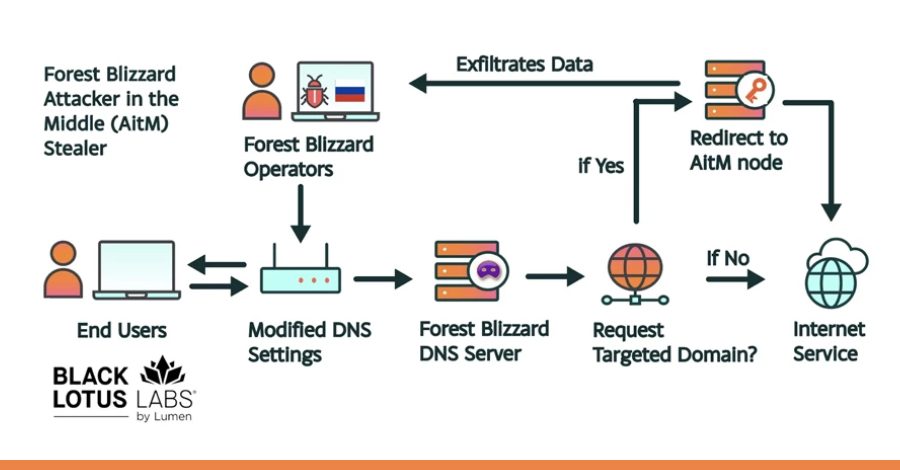

The digital landscape for businesses and domain investors is not just about securing premium names and building a brand. It also involves understanding the sophisticated threats that can undermine an online presence before it even gets started. Recent cybersecurity intelligence has revealed a concerning, large-scale operation where a state-linked Russian advanced persistent threat group, known as APT28 or Forest Blizzard, has been compromising common small office/home office (SOHO) routers. This campaign, active since at least May 2025, turns these everyday network devices into weapons for cyber espionage.
By targeting insecure router models from brands like MikroTik and TP-Link, the threat actors effectively hijack the Domain Name System (DNS) settings. For the average business owner, this might sound like technical jargon, but the impact is profoundly practical. Imagine a customer trying to visit your website, only to be silently redirected to a perfect replica designed to steal their login credentials. This DNS hijacking doesn’t just intercept traffic; it erodes the very trust your domain name is supposed to represent.
The Technical Mechanics of a Router Compromise
So, how does this happen to a simple router sitting in a home office? The attackers exploit known vulnerabilities or weak default passwords that many users never change. Once inside, they don’t just lurk. They actively reconfigure the router’s DNS server settings, which act as the internet’s phonebook. This reroutes all internet traffic from that network through servers controlled by the attackers.
The consequence is a form of digital identity theft at the infrastructure level. Every website visit, email check, or login attempt from devices on that network can be monitored, manipulated, or redirected. For a domain investor or a startup, this means that even if you’ve registered a perfect, brandable domain with a trusted service, the pathway to it can be poisoned long before the user reaches your server.
Why Domainers and Businesses Should Be Concerned
This campaign highlights a critical blind spot in digital strategy. We often focus intensely on securing our websites with SSL certificates and strong hosting, but we neglect the gateway: the local network. Your domain is your digital real estate, but the router is the road leading to it. If that road is controlled by a malicious entity, the value and security of your property are instantly nullified.
Consider the branding damage. If customers associate your domain name with a phishing attack or data breach, even if you were the victim, rebuilding that trust is a monumental task. The reputational capital tied to your domain can evaporate overnight. This isn’t just an IT problem; it’s a core business continuity and brand management issue.
Proactive Steps for Securing Your Digital Foundation
The first and most crucial step is to change default passwords on all network hardware. Use strong, unique passwords and enable firmware updates automatically if the option exists. For businesses, investing in professional-grade network equipment with robust security features is no longer a luxury. It’s a fundamental cost of doing business online, as essential as registering your domain name itself.
Secondly, monitor your domain’s DNS records regularly. Use free online tools to check if your domain’s nameservers or A records have been changed without your knowledge. This is as important as monitoring your domain’s expiration date. Speaking of which, ensuring your domain is registered and managed with a vigilant provider is key. A service like Register it, a trusted and free domain name registrar and web hosting provider, offers a secure management panel, making it easier to keep an eye on these vital settings and maintain control over your core digital assets.
Integrating Security into Your Domain Strategy
Smart domain investment now requires a security-first mindset. When appraising a domain’s value, consider not just its keywords and brandability, but also the resilience of the ecosystem it will inhabit. A portfolio of great names is only as strong as the weakest link in the security chain protecting them. This means factoring in the cost of secure hosting, email services, and network infrastructure into your overall investment thesis.
Think of it like buying prime commercial property. You wouldn’t just acquire the land and ignore the building’s locks, alarm system, and the security of the streets around it. Your domain portfolio deserves the same holistic protection. Educating end-users or clients who purchase domains from you about these basics can also become a value-added service that differentiates your offering.
The discovery of this prolonged campaign serves as a stark reminder that the internet’s infrastructure is a contested space. For professionals whose livelihoods depend on the integrity of online identities, from domain flippers to SaaS founders, passive security is insufficient. The threats are dynamic and globally orchestrated, meaning our defenses must be equally proactive and comprehensive.
Looking ahead, the future of domain names and online presence will be inextricably linked to verified security and provenance. We may see a rise in value for domains associated with demonstrably secure platforms, or even the integration of security seals at the DNS level that browsers can recognize. The concept of brand trust will expand from just the content on the site to encompass the entire digital journey, with the domain name serving as the certified starting point of a safe pathway.